
Taking your blood pressure at home? Make the reading useful.
The cuff matters. So do the chair, the quiet, and the follow-up plan. A practical guide for nonpregnant adults taking home readings.
Read the storyThe Millywell preventive care companion
Screening, vaccines, family history, and the results you are still waiting for. Make an agenda that helps the visit work for you.
Evidence-informed reading and planning tools. Source-checked October 27, 2026. Not clinically reviewed.
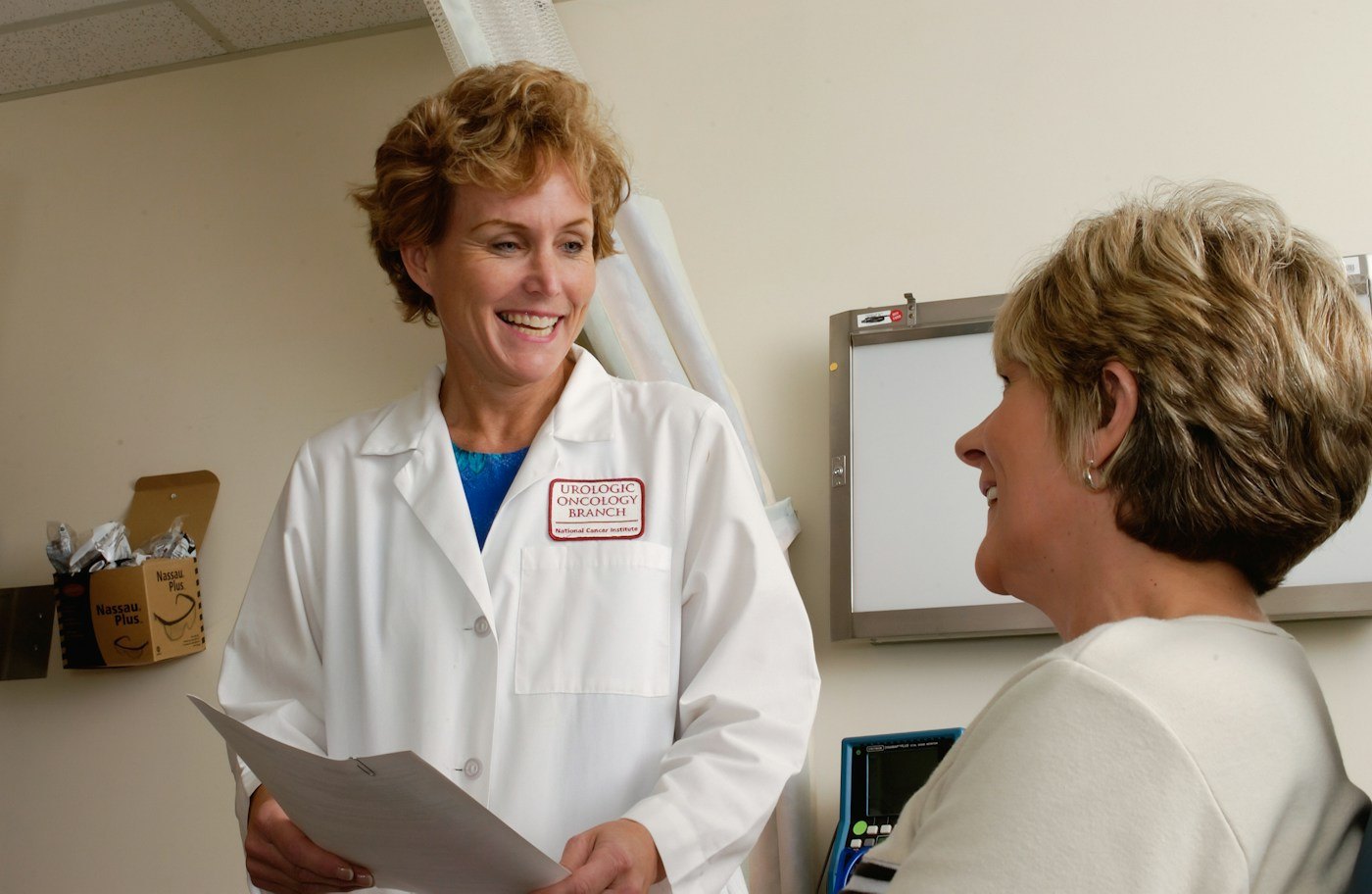
A useful visit starts with your priorities.
01 · Follow your question
Start with the concern affecting your life. You do not have to understand everything before asking for help.
Your place to begin
Screening is generally intended for people without related symptoms. Age, anatomy, prior results, medical history, and risk can change the plan. A schedule found online is a starting point for discussion, not an individual decision.
“Which screening approach fits my history, and when should it be repeated?”
Build your appointment note ↓This selects reading. It does not diagnose a condition or assess how urgent your symptoms are.
02 · Make it useful
Choose the topics you want to discuss. This creates questions for your care team; it does not decide which tests or vaccines you are due for.
Your own space. Entries stay in this open page. They are not sent to Millywell or saved automatically. Reload to clear them; anyone using this open browser may see them. Keep any copies you make somewhere private.
Choose a situation to assemble discussion topics. This tool does not determine which screening, vaccine, test, or examination is due.
A useful next step
Choose one or more topics to build an agenda. No tests are marked due by this tool.
Personal and family history, previous results, pregnancy, organs present, local guidance, and preferences can change preventive care. Your clinician can explain what applies.
Select the text and copy it into your own notes.
03 · A little context helps
Explore what is useful, what needs context, and which promises go further than the evidence.
6 claim checks. Labels are editorial summaries, not formal evidence grades.
Prevention visits can review history, screening, vaccines, and goals before symptoms appear. The useful services still depend on your own circumstances.
A useful next step: Prepare a few priorities and ask which preventive services fit you.
Source: HHS MyHealthfinder · Well-woman visits ↗The USPSTF final 2024 recommendation starts biennial mammography at age 40 through 74 for its specified population. Other organizations may use different intervals, and individual history can change care.
A useful next step: Ask which recommendation your care team is using and why it fits your history.
Source: USPSTF · Breast cancer screening, FINAL 2024 ↗The general USPSTF recommendation excludes certain high-risk situations, including particular genetic markers, prior breast cancer, and some chest-radiation histories. Family history also deserves assessment rather than self-labeling.
A useful next step: Bring the specific family and personal details so your care team can review risk.
Source: USPSTF · Breast cancer screening, FINAL 2024 ↗A yearly care visit and the interval between cervical screening tests are different things. Timing depends on the test, prior results, age, and relevant history.
A useful next step: Find your last result and ask which test and interval apply.
Source: USPSTF · Cervical cancer screening, FINAL 2018 ↗As checked October 27, 2026, the USPSTF 2024 cervical update remains a draft/in-progress document. Its 2018 final recommendation remains separately labeled final; other groups may issue their own guidance.
A useful next step: Check the issuing organization, date, status, and population before applying a headline.
Source: USPSTF · Cervical screening DRAFT 2024 ↗Screening guidance is designed for people without related signs or symptoms. A new concern can need diagnostic assessment even when routine screening is up to date.
A useful next step: Tell the clinic what changed and ask what type of appointment is appropriate.
Source: USPSTF · Breast cancer screening, FINAL 2024 ↗04 · Prepare for care
Choose a few questions, add your priority, and bring the note to a qualified professional. You decide what to share.
Private to this page. Entries stay in this open page. They are not sent to Millywell or saved automatically. Reload to clear them; anyone using this open browser may see them. Keep any copies you make somewhere private.
Your visit. Your priorities.
0 questions chosen. Three to five can be a useful place to begin.
Your priority belongs here.
Choose a question to add it to your note.
General education · Source-checked October 27, 2026 · Not clinically reviewed. This note is a conversation aid, not a diagnosis or a personal treatment plan.
Select the text and copy it into your own notes.
The reading room · 8 guides
Conversational guides with practical examples, FAQs, source links, and questions you can take to care.
The cuff matters. So do the chair, the quiet, and the follow-up plan. A practical guide for nonpregnant adults taking home readings.
Read the storyHow to explain your main concern, bring the right information, and leave a health visit with a clearer plan.
Read the storyUnderstand the screening schedule, prepare for the appointment, and know which changes deserve their own assessment.
Read the storyThe right screening plan depends on the test you had, your previous results, and what follow-up is due.
Read the storyA useful prevention plan connects your current health, family history, and the realities of your everyday life.
Read the storySupport your bones through food, movement, and a personal assessment when your history calls for one.
Read the storyThe daily habits that protect teeth and gums, with practical help for dry mouth, hard-to-reach areas, and getting back into dental care.
Read the storyHow to assess the reason for a supplement, read the label, and separate product quality from evidence of a health benefit.
Read the storyOne step at a time
A flexible seven-step guide to finding your question, getting organized, and preparing for support. Move at your own pace.
A little more clarity
No. It helps organize a conversation. Screening decisions depend on your history, anatomy, age, prior results, and current recommendations. A clinician should explain what is useful and why.
No. A regular visit and the interval between particular tests are different. Some services may be due, others may not, and symptoms may require a separate assessment.
Groups can weigh evidence and trade-offs differently or address different populations. Ask which guidance your care team uses and how your preferences and history fit. A draft proposal should be clearly distinguished from a final recommendation.
Tell the clinic about the change and ask how soon it should be assessed. Routine screening schedules are generally for people without related symptoms. New bleeding, a new breast change, or another persistent concern deserves its own conversation.
How this companion was made
Source-checked October 27, 2026. AI assisted the writing and tools. This companion has not been reviewed by a licensed clinician. It offers general education and planning support, not diagnosis, clinical triage, test interpretation, or a personal treatment plan.
Reading paths, conversation drafts, logs, schedules, and first-week actions are Millywell editorial suggestions. Claim labels are editorial summaries, not formal evidence grades.
Personal entries stay in this open page and reset on reload. They are not sent to Millywell. Anyone using your open browser may see them. This website is not monitored for medical or mental-health emergencies.
Our editorial standardsSources include U.S. guidance and clearly identified UK NHS/NICE resources. Recommendations and access can differ by location. Draft recommendations are identified where discussed. A source-check date is not clinical review.