Bone health deserves some attention in your 30s and 40s without becoming another source of health anxiety. Weight-bearing movement, resistance exercise, and enough calcium, vitamin D, protein, and total food can all support it. A fracture after a minor fall, prolonged missed periods, early menopause, or long-term glucocorticoid use is worth discussing with a clinician. Routine bone density scans aren't automatically recommended for every healthy woman in this age group; testing should answer a question about your own risk.
Think about the habits and history that matter
Bones are living tissue that changes over time. Osteoporosis weakens them and can remain silent until a fracture occurs, so appearance doesn't tell you much about bone density. Looking young, being strong, or living in a particular body size can't confirm or rule out a problem.
For most women in their 30s and 40s, the useful approach is to support everyday health and bring personal risk factors into routine care. If something in your history raises concern, ask for an assessment tailored to it. You don't need to build your life around fear of a future fracture, or assume that age-based screening advice covers every situation.
Include different kinds of movement
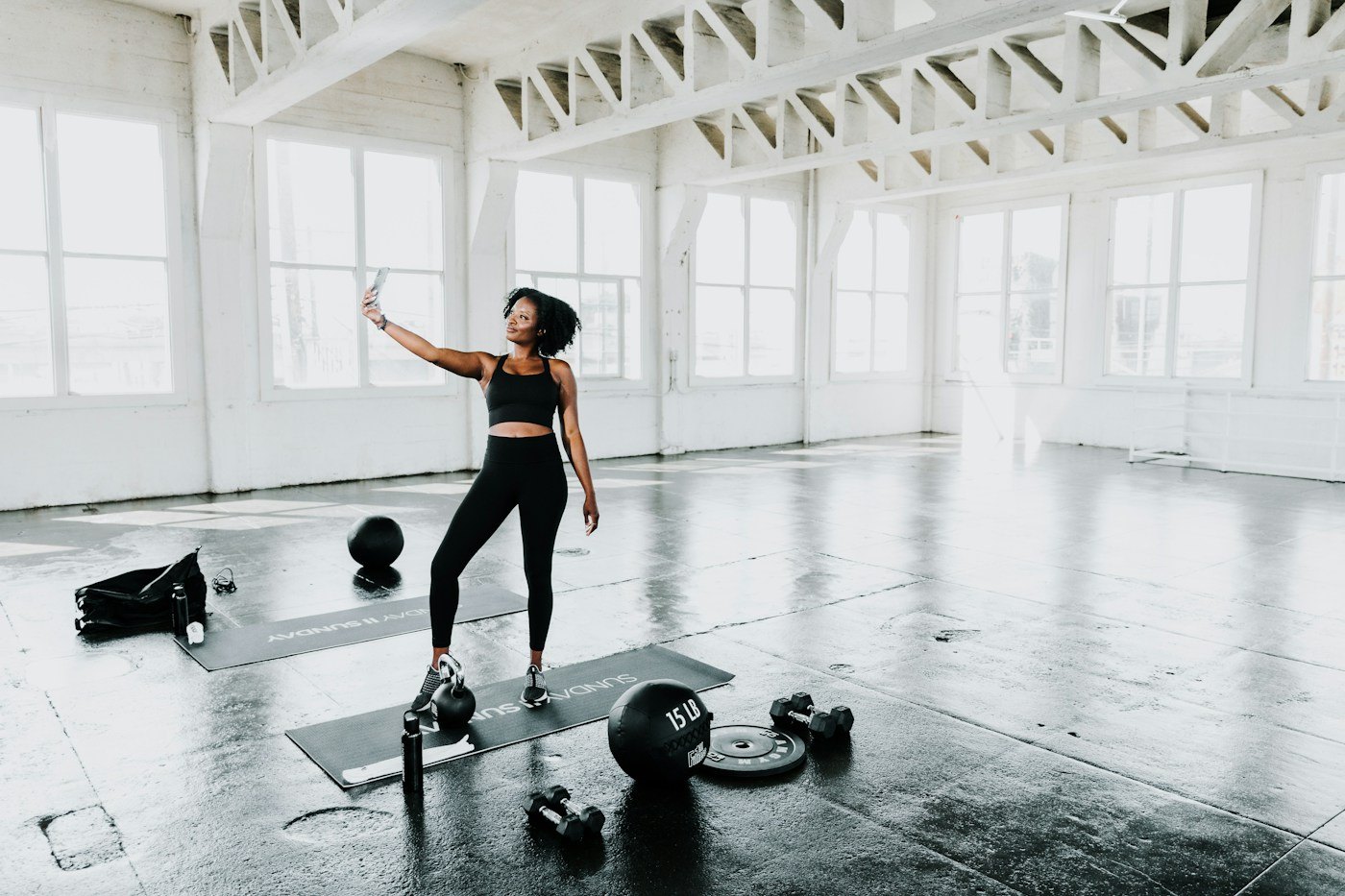
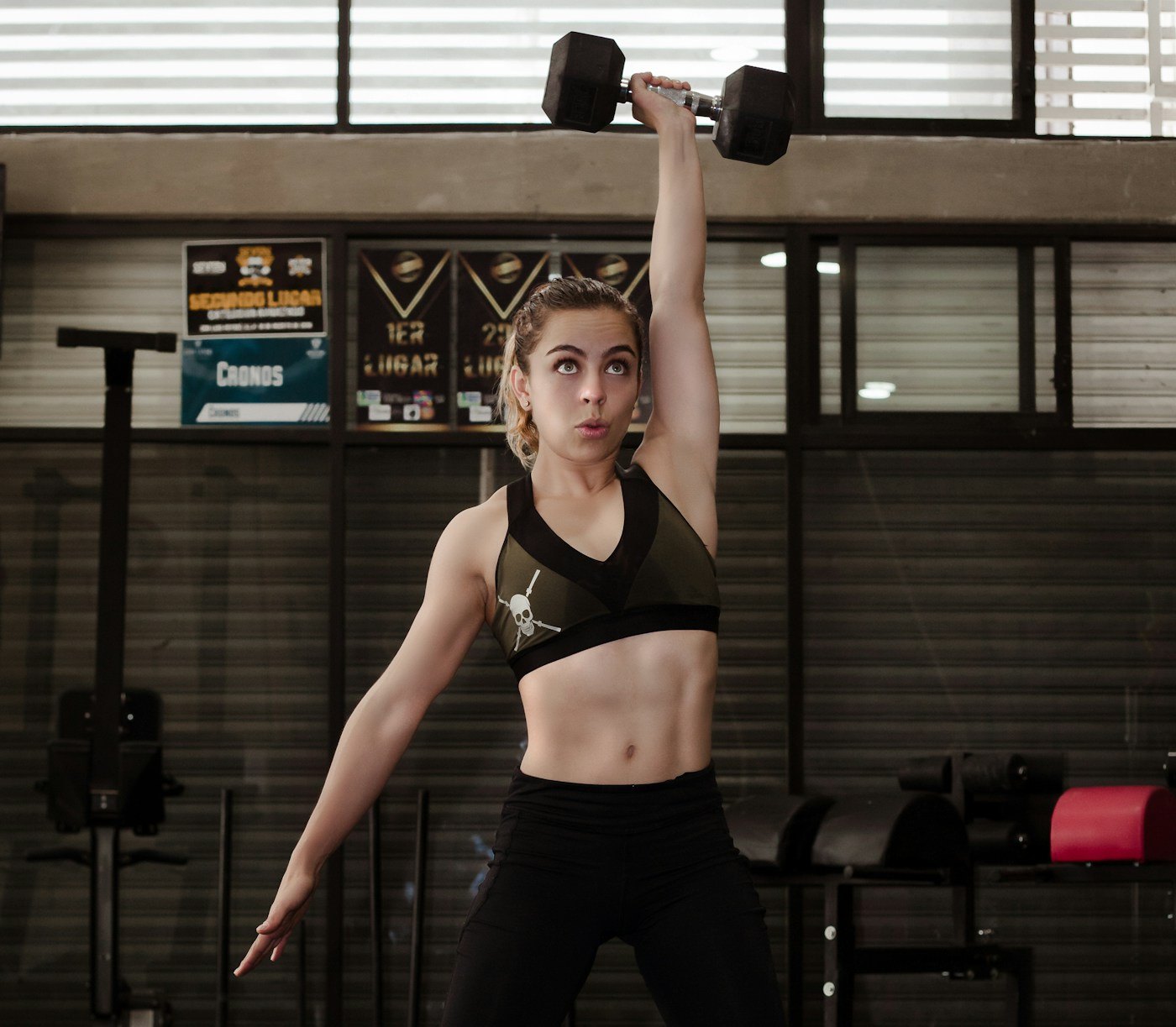
Weight-bearing activities such as walking, dancing, and stair climbing load bones while you support your body against gravity. Resistance exercise adds a different challenge through weights, bands, or body-weight movements. A combination can support bones and everyday strength.
Swimming and cycling have many benefits, although they don't load bones in the same way. If you have low bone density, a past fracture, joint problems, or other limitations, ask which movements and progression are suitable. There's no need to copy a demanding routine that doesn't account for your starting point, balance, pain, or mobility.
Build a plan you can keep doing
A useful movement plan should survive an ordinary busy week. Choose a manageable starting level and get help learning technique if needed, rather than treating soreness as proof of a good session. Progress can be gradual and adapted to your body.
If the schedule changes, a shorter session or a different day may keep the routine more usable than an all-or-nothing target.
- Look for two realistic opportunities for strength work, with appropriate instruction on the movements and how to progress them.
- Add a weight-bearing activity you enjoy and can access safely, accounting for weather, work, and mobility needs.
- Ask which pain or symptoms should make you stop and seek advice, especially if you're managing low bone density or an injury history.
Look at the full eating pattern
Calcium matters, but bone care involves more than reaching one nutrient number. For adults aged 19–50, the calcium RDA is 1,000 milligrams daily from all sources; that's a reference amount, not a supplement dose. Dairy foods, calcium-fortified plant beverages, calcium-set tofu, and some canned fish with edible bones are possible options. Check labels because products vary.
Vitamin D supports calcium absorption, while protein and enough total food matter too. Restrictive eating can work against bone health. If allergies, food costs, or a limited range of foods make meeting your needs difficult, a dietitian can help before you add several overlapping products.
Bring these details to your next appointment
Some histories deserve a more specific conversation than routine prevention advice. Mention what happened and when, including whether a fracture followed a relatively minor injury. Long gaps without periods shouldn't simply be accepted as the cost of hard training.
Your clinician can decide whether investigation, monitoring, or protective treatment is appropriate.
- Share fractures after minor injuries, a parent with a hip fracture, prolonged absence of periods, or menopause unusually early.
- Mention digestive conditions that affect absorption and long-term glucocorticoid treatment. Don't stop prescribed steroids yourself; ask about the bone-care plan.
- Seek assessment for new severe back pain after a minor injury rather than assuming it is ordinary soreness.
Ask what a scan would change
A DXA scan measures bone mineral density, usually at the hip and spine. Whether you need one depends on age, menopause status, fractures, and other risks. Results before menopause are also interpreted differently from results afterward, so an online score chart isn't a complete explanation of your report.
Testing is most useful when you understand why it's being ordered and how it will affect care. If osteoporosis is diagnosed, food and activity can remain important without replacing other recommended treatment.
- Ask which part of your history makes a scan useful now and what the result could clarify.
- Request an explanation of the report that fits your life stage rather than interpreting a score on its own.
- Agree on treatment or follow-up when needed, including how food, exercise, and any prescribed medicine fit together.
A little more clarity
Your questions, answered.
Is walking enough for bone health?
Walking can be a useful weight-bearing activity, while resistance work adds a different challenge and supports muscles. The right combination depends on your health, ability, and any fracture or injury history.
Should every woman take calcium and vitamin D?
No single supplement plan fits everyone. Review your food intake, medicines, health conditions, and any established deficiency. The calcium reference amount includes food as well as supplements, and more isn't automatically better.
Do I need a bone scan in my 30s or 40s?
Not every healthy woman does. Fractures, early menopause, certain medicines, or other risk factors may change the decision. Ask what question a scan would answer and how the result would change your care.
What if my periods stopped while I was training?
Discuss that with a clinician rather than assuming it's harmless or expected. Prolonged missed periods can be relevant to bone health and may need assessment, including a conversation about activity and food intake.
Support food and movement you can maintain, and bring fractures, missed periods, early menopause, or relevant medicines into your care discussion.
Prepare your appointment questions →Sources & context.
- NIAMS: Exercise for Your Bone Health ↗
- NIAMS: Osteoporosis ↗
- NIH ODS: Calcium ↗
- NIAMS: Bone Mineral Density Tests ↗
Sources checked . Health information summarizes the linked guidance; conversation prompts and planning ideas are Millywell’s editorial suggestions. Most sources describe U.S. care; screening and access may differ where you live.
AI assisted the drafting. This guide has not been reviewed by a licensed clinician. It provides general education, not a diagnosis or individualized care. Ask a qualified professional about your circumstances.