Start with three dinners you enjoy, check what you already have, and make a short shopping list around the missing ingredients. Choose meals that fit the time and energy available, with one easy backup for a disrupted evening. This is an organizing method you can adapt to your household, culture, budget, and any dietary needs.
Let the week shape the meals.
Before opening a recipe app, look at the evenings ahead. A late workday, a care commitment, or plans with friends will change how much cooking makes sense. Choosing meals after checking the schedule gives each dinner a realistic place.
You might want something quick on Tuesday and have more time to cook on Sunday. Some weeks need fewer than three planned dinners; others need more. Use the number as a starting point and adjust it around the people you're feeding.
If someone else shares the shopping or cooking, include them early. Knowing who is handling the meal is just as useful as knowing what's on the menu.
Check the kitchen before making a list.
Look through the fridge, freezer, and cupboards for food you can safely use. Note what needs attention soon and what can wait. An ingredient already on hand might decide one dinner and reduce the shopping needed for another.
Think about portions as you go. A large pack is useful when you'll use or safely store the extra; a smaller amount may suit the week better. Check whether a frozen ingredient needs time to thaw safely before the evening you plan to cook it.
- Write down the main ingredients you already have and the portions they could provide.
- Check dates and discard food that is spoiled or has been stored unsafely.
- Give each item on the shopping list a purpose in a meal or a planned backup.
Choose meals you recognize and enjoy.
A nourishing meal can reflect the food you grew up with, the food you like now, or both. Dhal with rice and vegetables, fish with a familiar starch and greens, or beans with tortillas are all possible starting points. You don't need to replace familiar food with a completely different menu to make planning worthwhile.
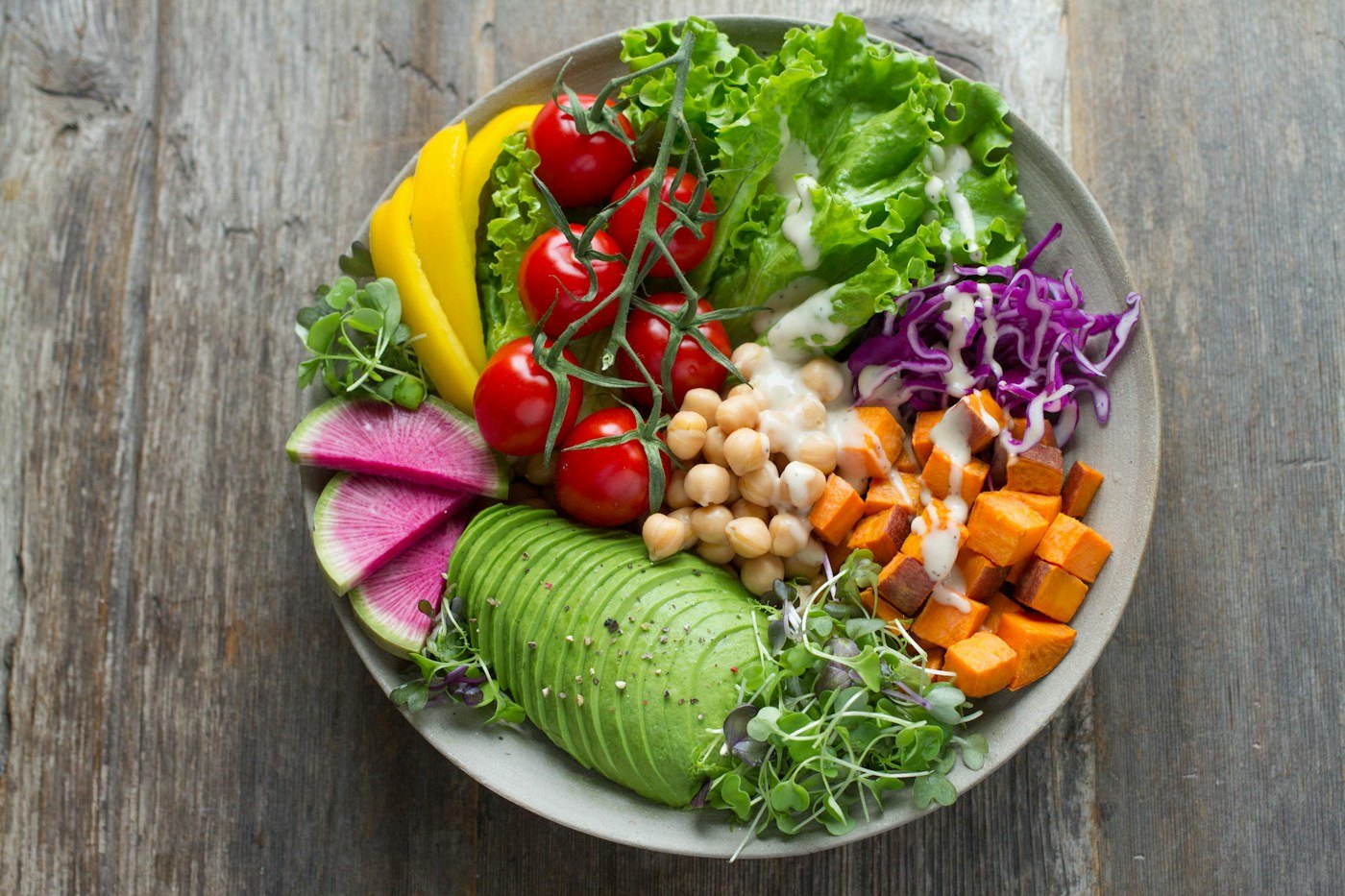
Think about protein foods, vegetables, grains or other starches, and the flavors that make the meal satisfying. These examples are ideas rather than a prescribed nutrition plan. Allergies, health needs, faith, appetite, and household preferences can all change the mix.
- Choose one dinner you can make comfortably without learning a new recipe.
- Choose a second dinner that uses an ingredient from the first in a different way.
- Choose a quick third dinner for the evening with the least time or energy.
Use convenience where it helps.
Frozen vegetables, canned beans, and other prepared ingredients can make the plan easier to carry out. Compare labels when an allergy or medical need makes that important, and choose sizes you're likely to use. The practical question is whether the food fits your needs and budget.
Our suggestion is to keep one dependable backup at home. It could be a freezer meal or a simple pantry dinner that takes little work. On an evening when plans change, having that choice can save another round of decisions.
Let anyone else preparing meals know where the ingredients are and what needs replacing. A plan that only one person understands can leave them doing all the follow-up.
Give leftovers a safe, clear plan.
Leftovers can make another meal easier when cooling, storage, and reheating are handled safely. USDA advises refrigerating perishable food within two hours, or within one hour when the temperature is above 90°F. Divide large amounts into shallow containers so they cool more quickly.
Use refrigerated leftovers within three to four days, or freeze them. Reheating cannot make food safe after it has been left out too long, so discard food that has been stored unsafely. Plan the next use while you're putting it away rather than relying on memory later.
- Label the container with the date the food was cooked.
- Set aside the next portion promptly instead of leaving it out through the evening.
- Reheat leftovers to 165°F, using a food thermometer to check the temperature.
Adapt the method, then keep what works.
A medical diet may need more specific guidance than a general meal-planning article can provide. A registered dietitian or your care team can help you fit the method around diabetes, kidney disease, food allergies, or other needs. Bring your usual foods, budget, and schedule into that conversation so the advice is usable.
After a week, review the part that made dinner easier. Perhaps sharing an ingredient worked well, while a new recipe needed too much time. Keep the useful meals and change the awkward one; you don't have to rebuild the whole system.
Over time, a small set of familiar meals can give you choices without requiring a fresh search every night. The plan should make eating easier to arrange while leaving room for enjoyment and changing circumstances.
A little more clarity
Your questions, answered.
Do I need to plan every meal?
You can begin with the part of the day that creates the most stress. Three dinners are a planning idea, not a required number or a complete diet. Keep breakfast and lunch familiar if that suits you, and add detail only where it helps. Leave room to change the order of meals when your schedule or appetite changes.
Can I use prepared food and still follow the method?
Yes. The method works with cooking from scratch, convenient ingredients, or a mix. Check what the food provides, whether it fits any allergy or medical needs, and whether you'll use the amount you're buying. Prepared ingredients can be a practical way to make a home meal possible when time or energy is limited.
What if the people I live with want different meals?
Look for a shared starting point that can be served differently, such as a familiar starch, vegetables, or a protein food. Check allergies and medical needs before making substitutions. It also helps to agree on who chooses, shops, and cooks. The aim is a workable household plan, rather than one person anticipating every preference without support.
Choose a few familiar dinners, check the ingredients you already have, and keep one easy backup available.
Prepare your appointment questions →Sources & context.
Sources checked . Health information summarizes the linked guidance; conversation prompts and planning ideas are Millywell’s editorial suggestions. Most sources describe U.S. care; screening and access may differ where you live.
AI assisted the drafting. This guide has not been reviewed by a licensed clinician. It provides general education, not a diagnosis or individualized care. Ask a qualified professional about your circumstances.