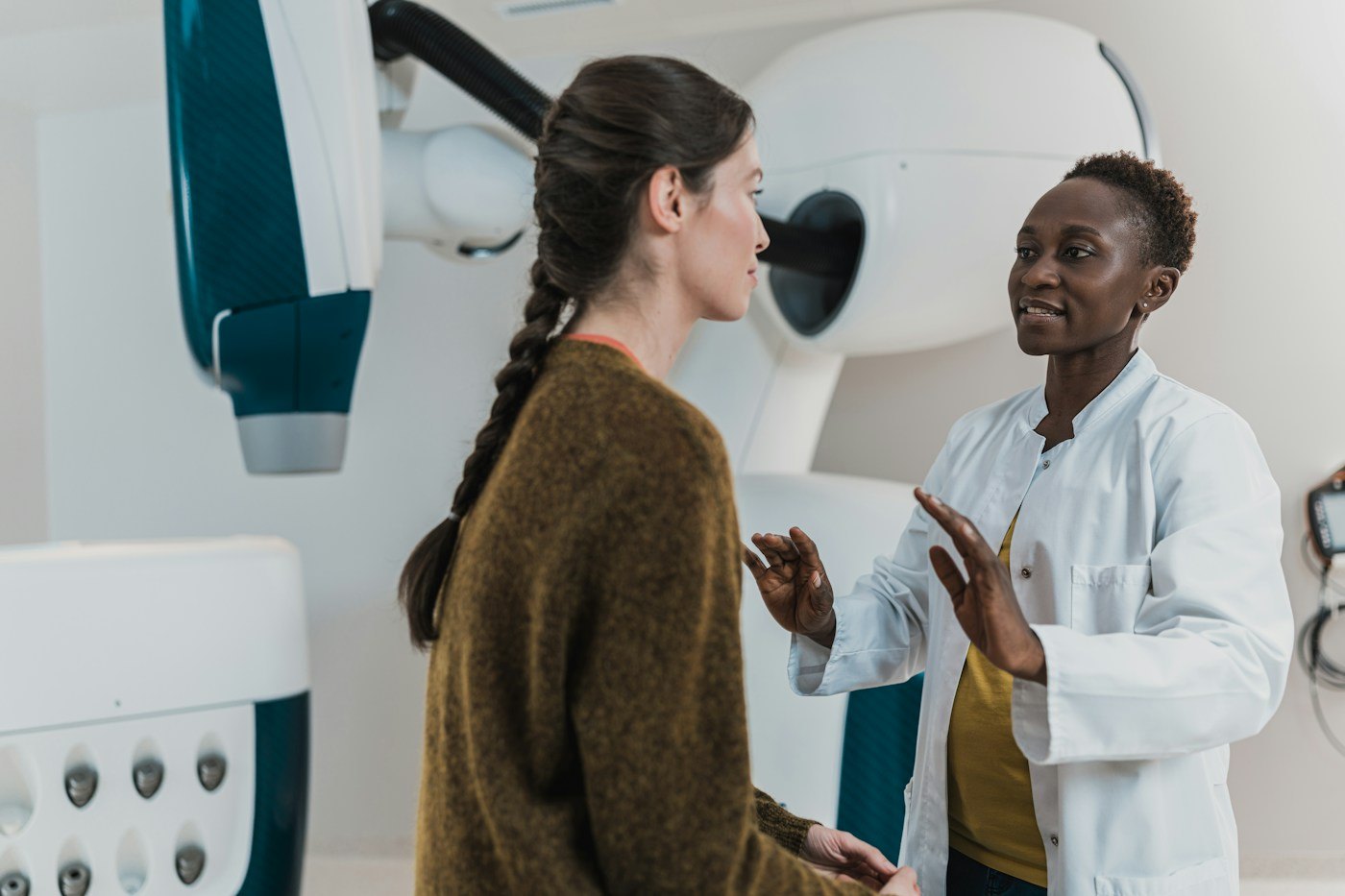
Pelvic pain that interrupts life deserves assessment. Endometriosis is one possible explanation, but symptoms can overlap with other conditions and a normal ultrasound does not rule it out. Bring a brief account of timing, triggers, and daily impact, then ask what the evaluation can show and how care will continue. Sudden severe pain or pain with possible pregnancy needs prompt assessment.
Understand why the pattern matters.
Endometriosis involves tissue similar to the uterine lining growing elsewhere in the body. Symptoms and their impact vary, and pain severity doesn't reliably show how much tissue is present or the extent of the condition. Someone else's experience is therefore a poor measure of whether your own pain needs attention.
NICHD lists painful periods, pain during or after sex, lower abdominal pain, and pain with bowel movements or urination around periods among possible symptoms. Pain can also occur outside period days. Fatigue or difficulty becoming pregnant may be part of the history for some people.
These symptoms can overlap with other conditions, so their presence doesn't establish endometriosis. Describing when and how they happen helps the clinician work out which possibilities to assess.
Explain the impact as well as the pain.
Tell the care team what the pain changes about your day: missed work, interrupted sleep, avoiding sex, or having to stop a familiar activity. A specific example makes the problem easier to understand than a general statement that periods are difficult.
Keep a short record using a method you trust. You don't need to wait until you have several months of perfect tracking, and you don't need a diagnosis before asking for care. Include treatments already tried, what helped, and any side effects.
- Note the location, timing, duration, and character of the pain in your own words.
- Describe links with periods, sex, bowel movements, or urination, including symptoms outside period days.
- Include bleeding changes, family history of endometriosis if known, and the effect on ordinary activities.
Ask what the evaluation can and cannot answer.
The clinician may discuss an examination, imaging, or a specialist visit, depending on the history. An ultrasound can help assess some problems, but a normal examination or ultrasound doesn't rule out endometriosis. Ask what a result means in your situation and which questions remain open.
If pain persists, it still matters even when an initial scan hasn't shown a cause. A follow-up conversation can consider other explanations, the limits of the test, symptom support, and whether specialist assessment would be helpful. You shouldn't be left guessing whether a normal result means the discussion has ended.
- Which possible causes fit my symptoms and history?
- What could this examination or test find, and what might it miss?
- What is the next step if symptoms continue, and when would a specialist referral be appropriate?
Discuss symptom relief alongside the assessment.
Care may include medicines, hormone treatment, or surgery in some circumstances. The choice depends on the symptoms, health history, and pregnancy goals, so a general guide can't choose a treatment or dose for you. Ask how each option connects with the problem you want to improve.
You can discuss support for pain and daily function while the cause is being investigated. Include previous side effects, cost, and how treatment would fit your routine. If pregnancy is a goal, or isn't something you want, say so clearly because it affects the choices.
- What can help me function while assessment continues?
- Which options fit my history and pregnancy preferences, and what benefits and harms should I understand?
- How long should we try the first plan, and what happens if it is not helping?
Keep new urgent symptoms separate from ongoing pain.
A history of pelvic pain doesn't explain every new episode. Sudden severe pain or fainting needs urgent assessment. Possible pregnancy with pain and bleeding also needs prompt medical advice, even without a positive home test.
An ectopic pregnancy develops outside the womb and can cause a dangerous emergency. Shoulder-tip pain in possible pregnancy also needs prompt advice. Don't wait for a routine endometriosis appointment to assess severe symptoms or assume they are a familiar flare.
When seeking help, mention pregnancy possibility and describe what is different about the pain. A general reading guide cannot determine the cause or rule out an emergency.
Keep follow-up focused on what is still affecting you.
Before leaving, confirm who will explain results, when the plan will be reviewed, and how to get advice if symptoms change. Bring an updated account of daily impact to follow-up, including anything that remains difficult after treatment.
Long-term pain can affect sleep, mood, work, and relationships, and those effects deserve support too. Ask whether there are appropriate services or referrals for the parts of life that pain is disrupting. You don't need to resolve every issue alone before requesting a review.
If you feel dismissed, return to a clear example of the impact and ask what explanations remain under consideration. Depending on access and circumstances, another qualified opinion may be useful. The aim is an assessment and care plan you understand, with a route forward when symptoms persist.
A little more clarity
Your questions, answered.
Can endometriosis cause pain outside my period?
Yes. Pain may occur at other times, including during sex or with bowel and bladder symptoms. Those symptoms also have other possible causes. Explain the timing and impact to the clinician instead of using a checklist to diagnose yourself. Ask which explanations fit, what should be assessed, and what happens next if symptoms continue.
Does a normal ultrasound mean nothing is wrong?
An ultrasound can help identify some problems, but a normal result doesn't rule out endometriosis. Ask what the scan looked for and what it may miss. Persistent pain still warrants follow-up, which may involve a different assessment, symptom support, or specialist discussion based on the findings and your history.
Do I need to be trying for pregnancy to get care?
Pain, daily function, sex, sleep, and emotional wellbeing are valid reasons to seek help. Tell the team about pregnancy goals or contraception needs so the plan can fit. You can ask for symptom care whether you want children, don't want them, or are unsure. The options should reflect your health and priorities.
Bring the timing and daily impact of pain, then ask what the assessment can show and how care will continue.
Prepare your appointment questions →Sources & context.
- NICHD · Symptoms of endometriosis ↗
- Office on Women’s Health · Period problems ↗
- NHS · Ectopic pregnancy symptoms and urgent care ↗
- NHS · Endometriosis: assessment and care options ↗
- NICE · Endometriosis diagnosis and management ↗
Sources checked . Health information summarizes the linked guidance; conversation prompts and planning ideas are Millywell’s editorial suggestions. Most sources describe U.S. care; screening and access may differ where you live.
AI assisted the drafting. This guide has not been reviewed by a licensed clinician. It provides general education, not a diagnosis or individualized care. Ask a qualified professional about your circumstances.