Cancer & support · Every chapter belongs
Clear information.
Room for
every feeling.
For the questions before a diagnosis. The days after one. And the life that keeps happening around it. A thoughtful place for women in their 30s and 40s, and the people who love them.
You do not have to feel brave, be positive, or find the perfect words to belong here.

There is room
for you, here.
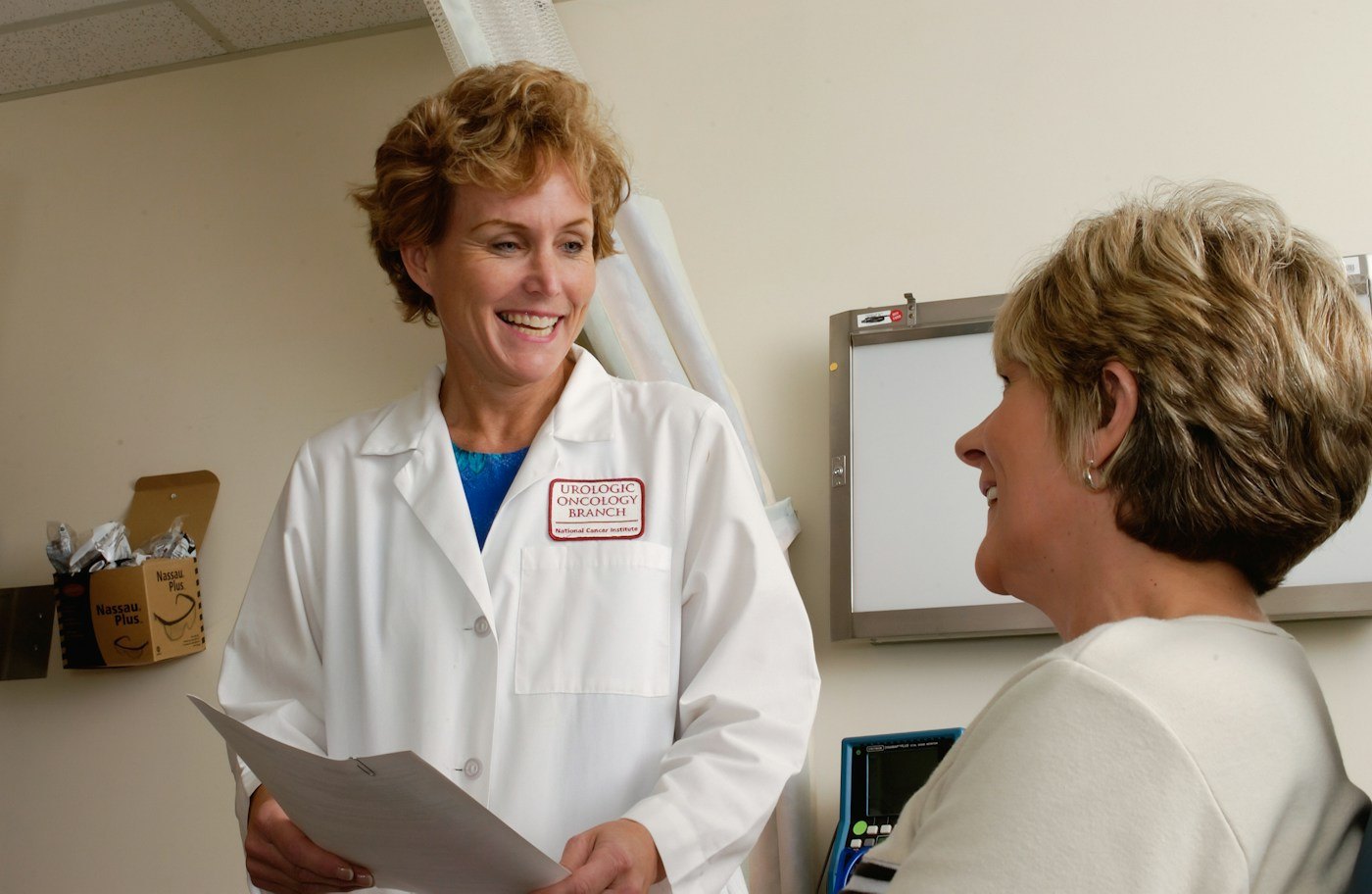
Photo: Vitaly Gariev / Unsplash · License. Illustrative photograph; no diagnosis or endorsement is implied.
One step is enough to begin
What would help
right now?
You do not need to read everything. Choose the place that feels useful today.
I noticed a change
Understand symptoms and prepare to ask for an assessment.
Explore the guides02I have a diagnosis
Make the next appointment a little easier to navigate.
Start with the next step03I need support
Find a starting point for worry, costs, work, and everyday life.
Find a place to begin04Someone I love has cancer
Show up with useful help, care, and room for their choices.
Learn how to helpUnderstand the questions that matter
Cancer information.
With care around it.
These guides combine cancers seen in younger adulthood with concerns and screening questions relevant in your 30s and 40s. Frequency varies by cancer type and age.
NCI identifies breast, thyroid, melanoma, and cervical cancers among the most common cancers in females ages 15–39. That age range does not describe every millennial. Read NCI’s overview ↗
A change deserves a conversation
Breast cancer
Lumps, skin and nipple changes, diagnostic tests, and asking for a clear next step.
Read the guide →02Screening, HPV & follow-up
Cervical cancer
What a positive HPV test means, symptoms to discuss, and why follow-up matters.
Read the guide →03Symptoms matter before 45, too
Colorectal cancer
Blood in stool, changes in bowel habits, and the difference between screening and evaluation.
Read the guide →04A nodule is not a diagnosis
Thyroid cancer
Neck changes, the limits of blood tests, and questions for a specialist.
Read the guide →05For every skin tone
Melanoma & skin cancer
Changing spots, palms, soles and nails, and getting a skin concern examined.
Read the guide →06Persistent changes need attention
Ovarian cancer
New bloating, pelvic discomfort and fullness, with the facts about screening limits.
Read the guide →07Unusual bleeding deserves care
Uterine & endometrial cancer
How uterine and cervical cancers differ, and talking about bleeding without being dismissed.
Read the guide →08Understanding a persistent change
Lymphoma
Swollen lymph nodes, unexplained symptoms, and why testing establishes the diagnosis.
Read the guide →This is a starting collection, not an exhaustive list or a personal risk assessment. For another diagnosis, NCI’s cancer type directory is a useful place to find reliable information.
Understand the starting points
Screening, with
a little context.
Choose an age range to explore U.S. screening guidance. This is a conversation starter; it cannot tell you which tests you are due for.
Your selection stays on this page. No name, date of birth, test dates, or medical history is needed.
A few useful
starting points.
Select a range to read about cervical, breast, and colorectal screening.
A Pap test checks
the cervix.
It does not rule out ovarian or endometrial cancer. New symptoms still deserve assessment.
Understand cervical testsScreening has
limits, too.
Routine ovarian screening is not recommended for average-risk people without symptoms. Routine thyroid cancer screening is also not recommended for asymptomatic adults.
The rest of your life still matters
Appointments. Emotions.
Ordinary Tuesdays.
A diagnosis can change your questions about work, money, fertility, relationships, and the future. Those questions belong in care.
I have just been diagnosed
A manageable first-appointments plan, with questions, records and people who can help.
I need help with real life
Waiting for results, work, money, asking for help, and finding people who understand.
What about fertility and menopause?
Questions worth raising before treatment, even if you are unsure about having children.
Someone I love has cancer
What to say, concrete help to offer, and ways to show up without taking over.
During treatment, after it, or living with ongoing cancer
You can ask for help with symptoms, mental health, relationships, and quality of life at every stage. Finishing treatment does not mean every difficulty disappears. Living with advanced cancer does not make your needs less deserving of care.
Explore support for real lifeA small way to feel more prepared
Bring your questions.
Leave with a next step.
Choose a few priorities. Take the plan to an appointment or use it to begin a conversation with someone you love.
Your selections and note are held only in this open page. They are not saved by this tool, sent to Millywell, or monitored. Refreshing clears them. A copied, downloaded or printed plan may contain personal information; keep it somewhere private.
My conversation plan
A little clarity.
My next step.
A new cancer diagnosis
- Could you write down the exact diagnosis and explain what is still uncertain?
- Who will coordinate my care, and how do I reach them?
- How soon do decisions need to be made, and is there time for a second opinion?
Open a plain-text version
MILLYWELL · MY CONVERSATION PLAN
Topic: A new cancer diagnosis

1. Could you write down the exact diagnosis and explain what is still uncertain?
2. Who will coordinate my care, and how do I reach them?
3. How soon do decisions need to be made, and is there time for a second opinion?

Before leaving: confirm the next step, the contact person, and when results or follow-up are expected.

For education and conversation preparation. This is not a diagnosis or a treatment plan.
https://millywell.com/health/cancer
The questions are editorial conversation prompts informed by NCI’s diagnosis guidance and treatment guidance. They cannot tell you whether symptoms are urgent.
There is room for the real-life part
You do not have to
carry every piece.
Start with the kind of help you need today. You can change your mind, ask again, or need more than one thing.
One place to begin
You deserve support, even when you cannot explain it neatly.
Ask your care team for an oncology social worker, counselor, or a group that fits your age, culture and situation. Groups have different eligibility rules; a program for ages 15–39 may not include everyone in their 40s.
You could sayLearn how to find a support group ↗“Could you help me find a moderated support group or counselor for someone at my stage of life?”
External resource · Availability, eligibility, privacy rules, and hours may change. This page does not enroll you or contact anyone.
Clarity includes being honest about our limits
Grounded in guidance.
Written with care.
Sources checked October 27, 2026. The guides link to cancer information and recommendations from the National Cancer Institute, the U.S. Preventive Services Task Force, and the CDC. Screening guidance here describes U.S. care; local recommendations and access can differ.
AI assisted the drafting. These pages have not been reviewed by a licensed clinician. They provide general education and conversation tools, not diagnosis, personal risk scoring, or treatment decisions. Photographs are illustrative, and no pictured person is presented as having cancer.