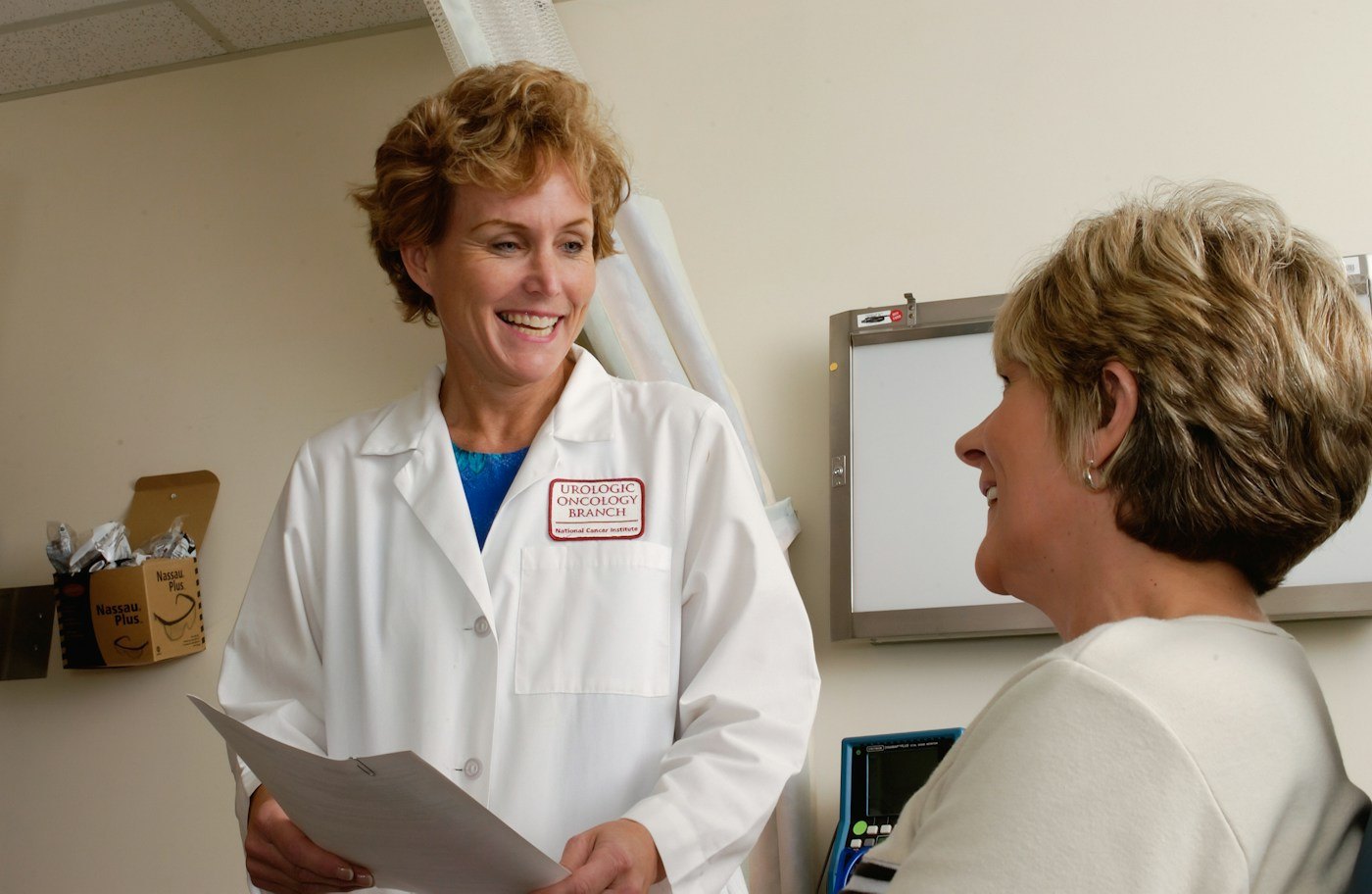
Ask what would be useful, offer a specific task, and follow their lead. You do not need a perfect speech. Consistent, respectful help usually matters more than finding something inspiring to say.
A little clarity, made practical
Bring the questions that matter to you
Choose the questions you want to take to your care team. These prompts organize a conversation; they cannot interpret symptoms or choose treatment.
Tap each step to explore. This is a planning tool; it does not assess your health or tell you whether care is urgent. Read the care guidance in the article.
Step 1 / 3
Name the concern
Write down what you want understood, in your own words. You do not need to know the medical term.
View a plain-text copy of your note
Bring the questions that matter to you
A planning note, not a diagnosis or a completed medical assessment.


Guidance: https://www.cancer.gov/about-cancer/treatment/cam/patient/dietary-interactions-pdq
Health facts: Read the source guidance ↗. The step sequence and note prompts are Millywell’s editorial planning suggestions.
Begin with care, not a lesson
A simple message can make room for the person’s actual feelings: “I care about you. I am here. Would practical help or company feel useful?” You do not have to fix the moment. Avoid demanding reassurance from the person who is unwell.
- Let them decide how much to share.
- Ask before giving advice or sending information.
- Make room for ordinary conversation when they want it.
Turn a vague offer into one manageable choice
“Let me know if you need anything” leaves the planning with them. Offer a task and a time, while making it easy to decline. These are examples to adapt, not messages that Millywell sends.
- “I can drive you Tuesday or pick up groceries Wednesday. Would either help?”
- “Would you like me to take notes at the appointment?”
- “I can organize the meal list if you want, using your instructions.”
- “No reply needed. I will check in again next week.”
Respect privacy and consent
Do not post their diagnosis, organize public fundraising, share medical details, or contact clinicians without permission. Ask what may be shared and with whom. If you attend an appointment, let the patient lead and ask whether they want you to speak.
Skip cure claims and unsolicited supplement advice
Do not send detox plans, miracle-cure links, or claims that a food or supplement can replace treatment. Supplements and herbal products can interact with cancer medicines. If they want help evaluating a product, suggest bringing it to their oncology pharmacist or care team.
Sources (checked October 27, 2026): NCI · Cancer therapy and supplement interactions ↗
Keep showing up as the situation changes
Needs can change during treatment, recovery, recurrence or ongoing care. Ask what fits now instead of assuming that the end of treatment means everything is back to normal. Caregivers also deserve their own support and breaks; supporting someone does not require doing every task alone.
Sources (checked October 27, 2026): NCI · Support for caregivers ↗ · NCI · Questions after treatment ↗
What to say when you do not know what to say
Try: “I do not know the right words, but I care about you. I can listen, bring dinner, or sit quietly with you.” Avoid promises about the outcome. Let your care be something they can use today.
A little more clarity
Your questions, answered.
Should I tell them to stay positive?
Follow their lead rather than setting an emotional requirement. Listening and acknowledging a difficult day can be more helpful.
What if they do not reply?
Do not treat silence as a demand for more messages. Offer a low-pressure check-in and respect the contact preferences they have shared.
Offer one specific form of help and make it easy for the person to choose, decline, or change their mind.
Prepare your appointment questions →Sources & context.
- NCI · Cancer therapy and supplement interactions ↗
- NCI · Support for caregivers ↗
- NCI · Questions after treatment ↗
Sources checked . Health information summarizes the linked guidance; conversation prompts and planning ideas are Millywell’s editorial suggestions. Most sources describe U.S. care; screening and access may differ where you live.
AI assisted the drafting. This guide has not been reviewed by a licensed clinician. It provides general education, not a diagnosis or individualized care. Ask a qualified professional about your circumstances.