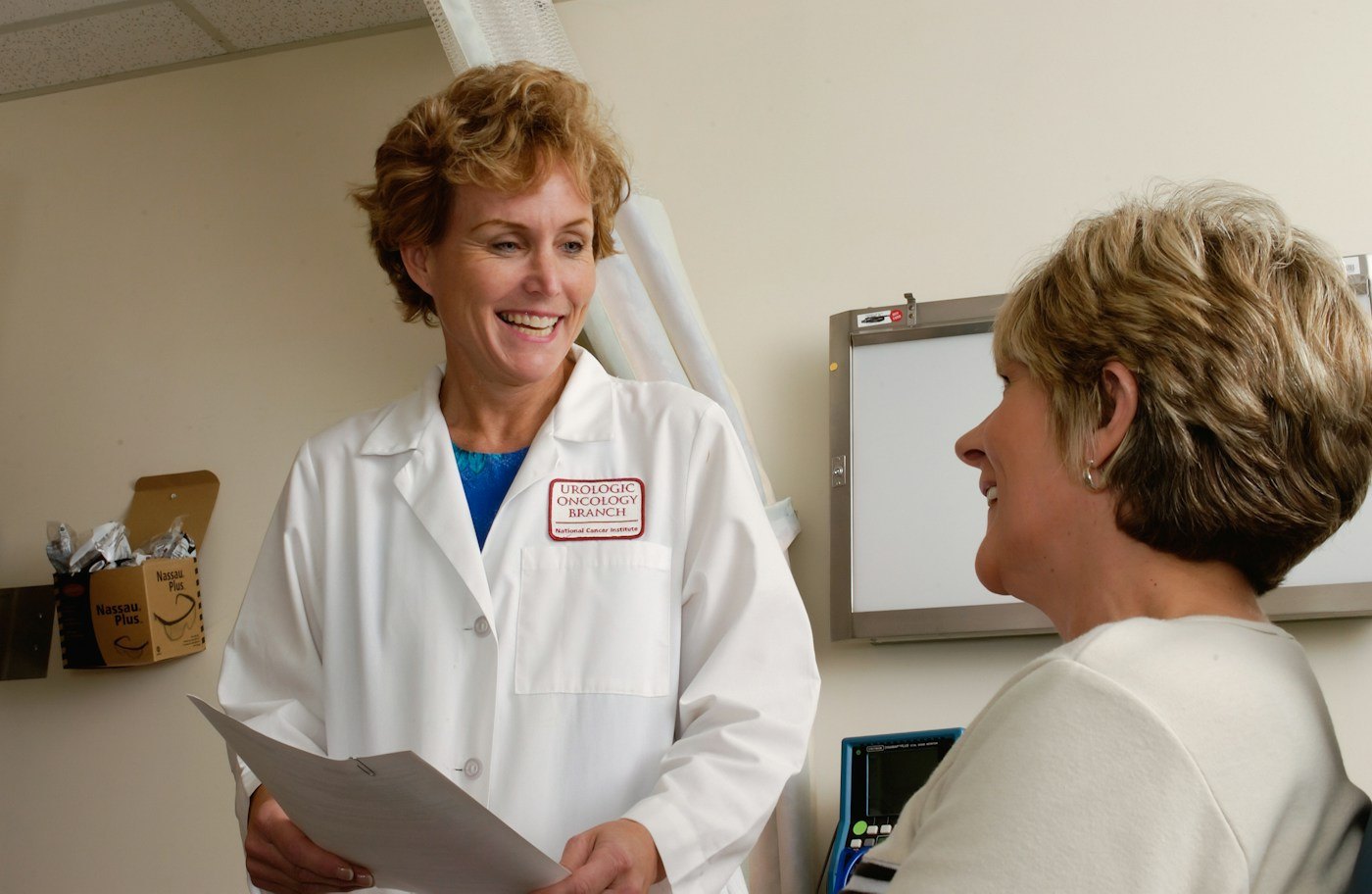
Melanoma can occur in any skin tone. A new, changing, bleeding, or unusual spot deserves a clinician’s assessment. A photo comparison or a neat checklist cannot reliably rule it out.
A little clarity, made practical
Bring the questions that matter to you
Choose the questions you want to take to your care team. These prompts organize a conversation; they cannot interpret symptoms or choose treatment.
Tap each step to explore. This is a planning tool; it does not assess your health or tell you whether care is urgent. Read the care guidance in the article.
Step 1 / 3
Name the concern
Write down what you want understood, in your own words. You do not need to know the medical term.
View a plain-text copy of your note
Bring the questions that matter to you
A planning note, not a diagnosis or a completed medical assessment.


Guidance: https://www.cancer.gov/types/skin/patient/melanoma-treatment-pdq
Health facts: Read the source guidance ↗. The step sequence and note prompts are Millywell’s editorial planning suggestions.
Notice a change, then ask for an examination
Look for a spot that is changing or different from your other spots. The ABCDE reminder describes asymmetry, uneven borders, varied color, diameter, and evolution. It is a memory aid, not a diagnostic test. Melanomas can be small or look different from textbook examples.
Sources (checked October 27, 2026): NCI · Melanoma patient information ↗ · NCI · Common moles and melanoma ↗
Every skin tone belongs in this conversation
Darker skin does not remove the possibility of melanoma. Pay attention to changes on the palms, soles, and around or under nails as well as other areas. A new or changing nail mark deserves a professional explanation; it can have causes other than cancer.
Sources (checked October 27, 2026): NCI · Common moles and melanoma ↗
What to bring to a skin appointment
If you already have a dated photo, it may help show a change. Do not postpone an appointment to collect more photos. Tell the clinician about itching, bleeding, growth, or a sore that is not healing.
- Point out the exact spot you are concerned about.
- Mention personal or family skin cancer history and immune-suppressing treatment.
- Ask whether a biopsy is needed and how results will reach you.
If the result is melanoma
Ask about the findings that determine the stage and which specialist should guide care. Treatment depends on those details; another person’s treatment story cannot predict yours. A clear explanation and a plan for follow-up matter just as much as receiving the report.
Sources (checked October 27, 2026): NCI · Melanoma patient information ↗ · NCI · Questions about a cancer diagnosis ↗
Make room for both protection and ordinary life
Talk with your clinician about sun protection and future skin checks that fit your history. If you have been diagnosed, ask which skin changes should lead to a call between visits. You do not have to spend your whole day checking your body to take follow-up seriously. If worry is taking over, ask your care team for support.
Sources (checked October 27, 2026): NCI · Melanoma patient information ↗ · NCI · Coping with cancer ↗
A little more clarity
Your questions, answered.
Can I use the ABCDE checklist to decide I am safe?
No. It describes common warning signs but cannot exclude melanoma or other skin cancers.
Can melanoma happen where the sun rarely reaches?
Yes. Melanoma can occur on skin beyond the most sun-exposed areas, including palms and soles.
Arrange an examination for a new or changing spot instead of relying on an image search.
Prepare your appointment questions →Sources & context.
- NCI · Melanoma patient information ↗
- NCI · Common moles and melanoma ↗
- NCI · Questions about a cancer diagnosis ↗
- NCI · Coping with cancer ↗
Sources checked . Health information summarizes the linked guidance; conversation prompts and planning ideas are Millywell’s editorial suggestions. Most sources describe U.S. care; screening and access may differ where you live.
AI assisted the drafting. This guide has not been reviewed by a licensed clinician. It provides general education, not a diagnosis or individualized care. Ask a qualified professional about your circumstances.