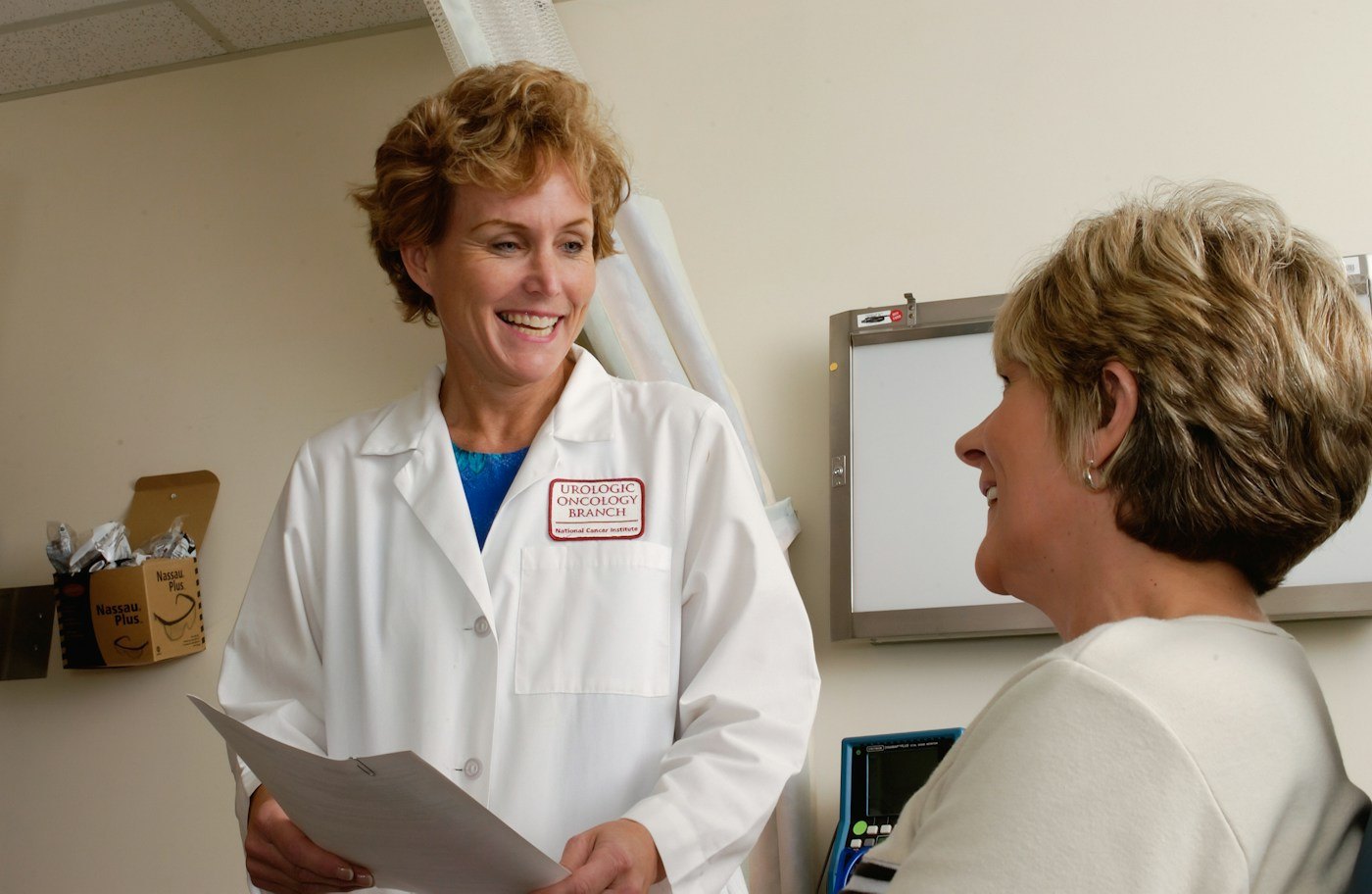
You do not have to understand everything on the day you are diagnosed. Start by getting the exact diagnosis, a contact person, and a clear next appointment. Ask your team how quickly decisions need to be made.
A little clarity, made practical
Bring the questions that matter to you
Choose the questions you want to take to your care team. These prompts organize a conversation; they cannot interpret symptoms or choose treatment.
Tap each step to explore. This is a planning tool; it does not assess your health or tell you whether care is urgent. Read the care guidance in the article.
Step 1 / 3
Name the concern
Write down what you want understood, in your own words. You do not need to know the medical term.
View a plain-text copy of your note
Bring the questions that matter to you
A planning note, not a diagnosis or a completed medical assessment.


Guidance: https://www.cancer.gov/about-cancer/diagnosis-staging/questions
Health facts: Read the source guidance ↗. The step sequence and note prompts are Millywell’s editorial planning suggestions.
Start with what is known, and what is still being worked out
The first report may not contain every detail needed for a treatment plan. Ask which results are confirmed and which are pending. Request copies in language you can return to later.
- The exact diagnosis and the report that established it.
- Which tests are still needed, and what each one answers.
- Who will explain the stage and treatment choices.
Sources (checked October 27, 2026): NCI · Questions about a cancer diagnosis ↗
Build a small care folder
Use a notebook or a folder you already own. The goal is to reduce the things you have to remember, not to create another project.
- Keep appointment dates and the names of your care team.
- Add a complete medicines list, including supplements and herbal products.
- Keep a place for reports, scan information and questions.
- Record office and after-hours phone numbers.
Sources (checked October 27, 2026): NCI · Managing cancer costs and medical information ↗ · NCI · Questions about cancer treatment ↗
Choose a few questions for the next visit
A short list is easier to use when you feel overwhelmed. If you want to record an appointment, ask the clinician’s permission first. A trusted person can also take notes.
- What decisions need to happen soon, and what can wait?
- What are the options and the aim of the recommended treatment?
- Is there time and a process for a second opinion?
- Could treatment affect fertility, hormones or sexual health?
- Who can help with costs, work, childcare or getting to treatment?
Sources (checked October 27, 2026): NCI · Questions about a cancer diagnosis ↗ · NCI · Questions about cancer treatment ↗
Ask about fertility before treatment, if it might matter
Some treatments affect fertility or hormone function. If future parenthood matters—or you are unsure—ask for an early discussion with a fertility specialist. Options and timing depend on your cancer and planned care. Do not delay treatment without your oncology team’s agreement.
Sources (checked October 27, 2026): NCI · Female fertility and cancer treatment ↗
Know whom to call when you feel unwell
Ask the team to write down the symptoms that need an immediate call and the number to use after hours. During chemotherapy, the CDC advises calling right away for a temperature of 100.4°F (38°C) or higher. Follow any more cautious instructions your own team gives you, and do not wait for a routine appointment when you suspect infection.
Sources (checked October 27, 2026): CDC · Infections during chemotherapy ↗
Let other people carry one piece
You can choose one person for updates, another for rides, and someone for meals or household tasks. Ask the care team about a navigator or social worker. You do not have to share your diagnosis widely to deserve help. There is no required emotional reaction; numbness, anger, sadness, uncertainty, and changing feelings all deserve room.
Sources (checked October 27, 2026): NCI · Coping with cancer ↗
A little more clarity
Your questions, answered.
Do I have to decide on treatment immediately?
Some situations are time-sensitive and others allow more discussion. Ask your own team how quickly a decision is needed; do not assume either urgency or safety in waiting.
Can I ask for a second explanation?
Yes. Ask for the explanation in writing, a simpler description, or another conversation with the team.
Confirm your next appointment, your care-team contact, and the three questions you most want answered.
Prepare your appointment questions →Sources & context.
- NCI · Questions about a cancer diagnosis ↗
- NCI · Managing cancer costs and medical information ↗
- NCI · Questions about cancer treatment ↗
- NCI · Female fertility and cancer treatment ↗
- CDC · Infections during chemotherapy ↗
- NCI · Coping with cancer ↗
Sources checked . Health information summarizes the linked guidance; conversation prompts and planning ideas are Millywell’s editorial suggestions. Most sources describe U.S. care; screening and access may differ where you live.
AI assisted the drafting. This guide has not been reviewed by a licensed clinician. It provides general education, not a diagnosis or individualized care. Ask a qualified professional about your circumstances.