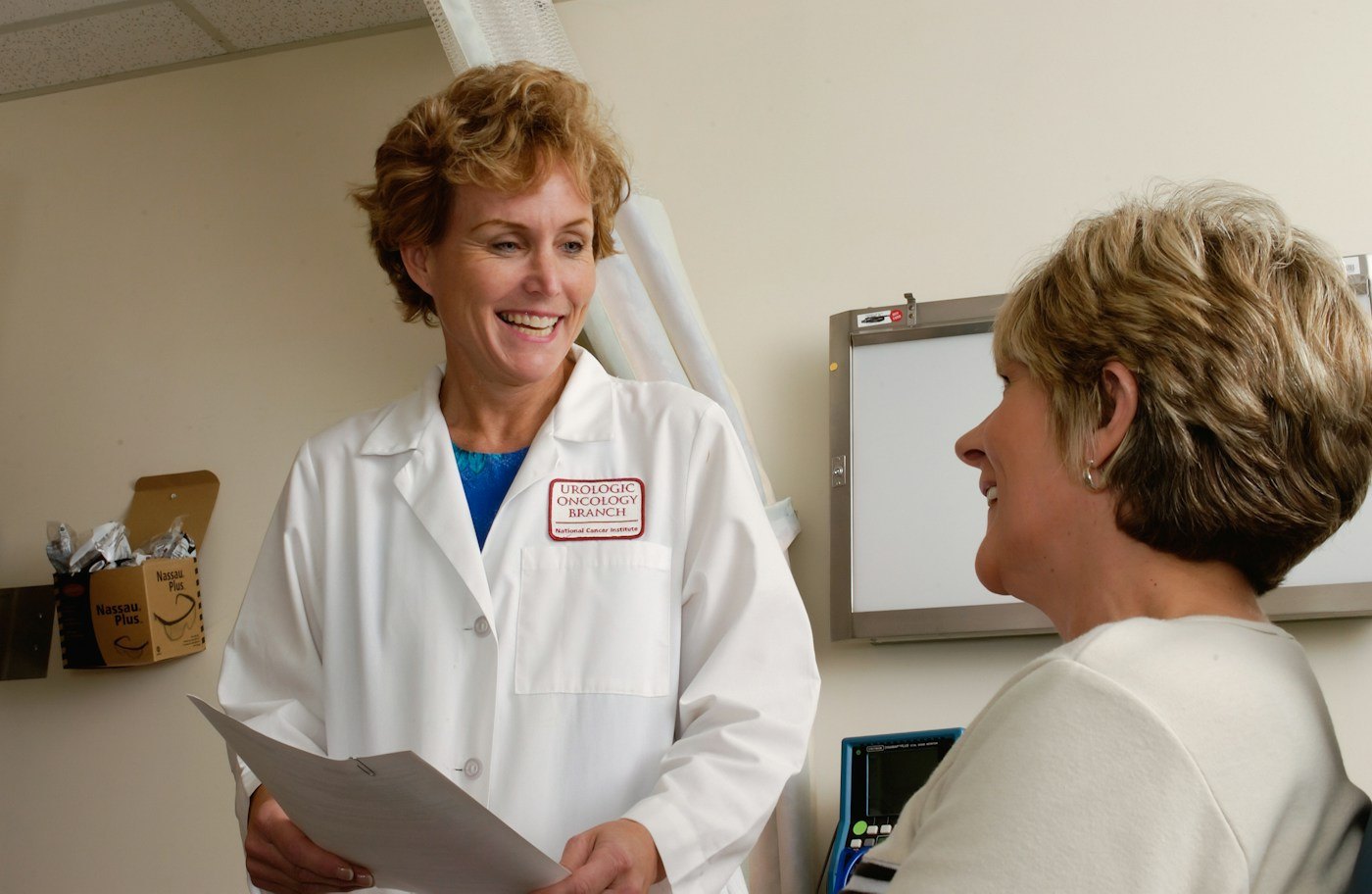
A positive HPV test or an abnormal Pap result is not the same as a cancer diagnosis. It tells your clinician that follow-up may be needed. Keep that follow-up, and ask exactly what happens next.
A little clarity, made practical
Bring the questions that matter to you
Choose the questions you want to take to your care team. These prompts organize a conversation; they cannot interpret symptoms or choose treatment.
Tap each step to explore. This is a planning tool; it does not assess your health or tell you whether care is urgent. Read the care guidance in the article.
Step 1 / 3
Name the concern
Write down what you want understood, in your own words. You do not need to know the medical term.
View a plain-text copy of your note
Bring the questions that matter to you
A planning note, not a diagnosis or a completed medical assessment.


Guidance: https://www.uspreventiveservicestaskforce.org/uspstf/recommendation/cervical-cancer-screening
Health facts: Read the source guidance ↗. The step sequence and note prompts are Millywell’s editorial planning suggestions.
What the tests look for
A Pap test looks for abnormal cervical cells. An HPV test looks for high-risk human papillomavirus associated with cervical cell changes. These tests assess the cervix; they are not an all-clear for the ovaries or uterine lining.
Sources (checked October 27, 2026): USPSTF · Cervical cancer screening ↗
Know the screening framework
For ages 30–65, the current final USPSTF guidance lists three options: Pap testing every three years, high-risk HPV testing every five years, or both every five years. This is a general framework, not your personal due-date calculator.
- Previous abnormal results, treatment, immune conditions, and other history can change follow-up.
- Ask which test you had and when you should return.
- A draft update is not a final recommendation; confirm the guidance your clinician follows.
Sources (checked October 27, 2026): USPSTF · Cervical cancer screening ↗
Symptoms need their own conversation
Early cervical cancer often has no symptoms. When symptoms occur, possible changes include bleeding after sex, bleeding between periods, unusual discharge, or pelvic pain. Other conditions can cause these symptoms, too. Report them rather than waiting for a routine test.
Sources (checked October 27, 2026): NCI · Cervical cancer symptoms ↗
Make the next step specific
The next step depends on your exact result and history. Ask your clinician to explain whether you need repeat testing, a closer examination called colposcopy, or another assessment.
- Can I have a copy of the report?
- What does this exact result mean?
- What is the next step, and when should it happen?
- What should I expect during the procedure, and what comfort options are available?
Sources (checked October 27, 2026): USPSTF · Cervical cancer screening ↗
Leave shame out of the room
You deserve respectful care and a clear explanation. A result is medical information, not a judgment about you. If an examination feels difficult, ask about explaining each step, bringing a support person, or pausing. Ask your team which accommodations they can offer.
A little more clarity
Your questions, answered.
Does a normal Pap rule out every gynecologic cancer?
No. Cervical screening does not rule out ovarian or endometrial cancer. New symptoms need assessment even when cervical screening is up to date.
Does an abnormal result mean I need cancer treatment?
Not necessarily. Your clinician uses the result and your history to decide what follow-up is appropriate.
Find the exact name of your result and confirm the follow-up appointment or testing plan.
Prepare your appointment questions →Sources & context.
Sources checked . Health information summarizes the linked guidance; conversation prompts and planning ideas are Millywell’s editorial suggestions. Most sources describe U.S. care; screening and access may differ where you live.
AI assisted the drafting. This guide has not been reviewed by a licensed clinician. It provides general education, not a diagnosis or individualized care. Ask a qualified professional about your circumstances.