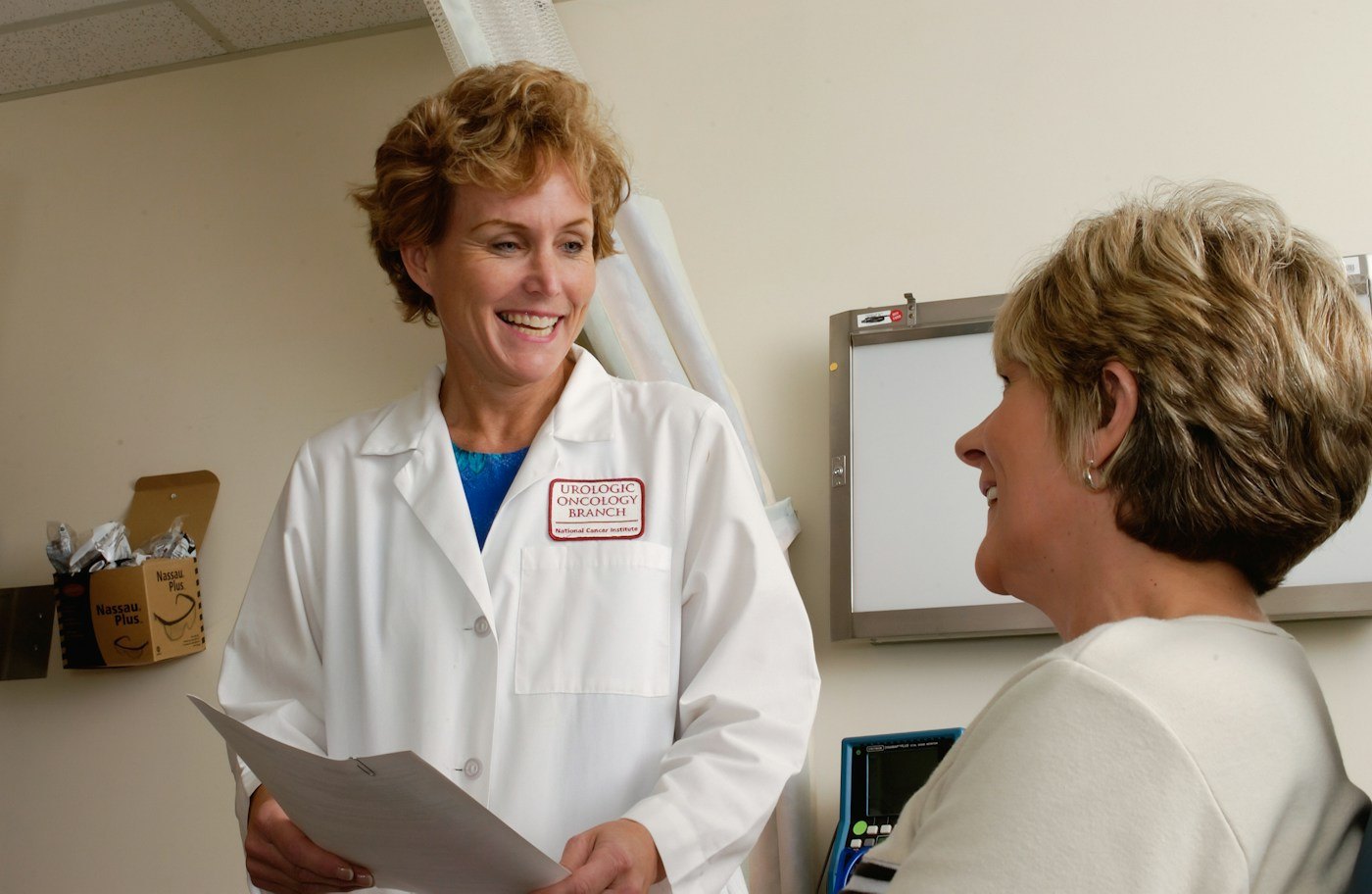
STI testing is a normal healthcare conversation, including in your thirties and forties. The right tests depend on symptoms, sexual practices, exposure timing, and history; no vague promise to “test everything” explains what was actually checked. Ask which infections and body sites the tests cover, when results will arrive, and whether repeat testing is needed. A recent possible HIV exposure needs urgent advice: PEP must start within 72 hours, and sooner is better. Do not wait for a routine test.
A little clarity, made practical
Your testing conversation checklist
Prepare questions about testing and results. This tool does not determine exposure risk or which tests you need.
Tap each step to explore. This is a planning tool; it does not assess your health or tell you whether care is urgent. Read the care guidance in the article.
Step 1 / 4
Name the reason
Tell the service whether this is routine screening, symptoms, a known exposure, or a recent concern.
View a plain-text copy of your note
Your testing conversation checklist
A planning note, not a diagnosis or a completed medical assessment.


Guidance: https://www.cdc.gov/sti/testing/index.html
Health facts: Read the source guidance ↗. The step sequence and note prompts are Millywell’s editorial planning suggestions.
Book around a question you can explain
You might want routine screening, an assessment after a new partner, testing after a known exposure, or help with symptoms. Say which situation applies when booking so the service can tell you what kind of appointment is useful. You do not have to present a polished sexual history or defend why you are asking.
CDC explains that test choices and frequency depend on factors such as age, sexual history, current practices, and symptoms. Being over twenty-five does not make testing irrelevant, and having no symptoms does not prove there is no infection. Instead of asking for the largest panel, ask what is recommended for your situation and why. If you have a particular concern, name it. A clear question is more useful than paying for a bundle whose contents and limitations nobody has explained.
- Say whether you have symptoms or a known exposure.
- Mention pregnancy or possible pregnancy where relevant.
- Ask what can be assessed at this visit and what needs another service.
Sources: CDC · Getting tested for STIs ↗
Discuss body sites and samples in ordinary language
Testing may involve blood, urine, or swabs. CDC advises discussing throat and rectal testing when oral or anal sex is relevant. A test from one site does not answer every possible question about every other site. You can describe practices without adopting labels that do not fit you.
Try: “I have had oral sex as well as vaginal sex. Does that change which samples you recommend?” Ask how each sample is collected and whether you can collect any sample yourself in that setting. If an examination is proposed, discuss what it involves and how to pause. The purpose is accurate care with informed consent. You do not need to disclose intimate details to a receptionist beyond what is necessary to arrange appropriate care; ask to discuss the fuller history privately with the clinician.
- Ask which infections each test is designed to detect.
- Ask which body sites are covered.
- Discuss examination concerns and self-collection options when available.
Sources: CDC · Getting tested for STIs ↗
Separate exposure timing from result turnaround
Two different clocks matter: when a test can usefully assess a possible exposure, and how long the laboratory takes to return a result. A result arriving tomorrow does not necessarily settle an exposure from yesterday. Ask the clinician how the exposure date and test type affect interpretation and whether another test will be needed.
Make a rough timeline with the date of the concern, any symptoms, any tests already taken, and any relevant treatment. “I tested negative, but it was very soon afterward” is useful information. Do not use a generic waiting-period chart to postpone care for symptoms or a known exposure. The team can decide what to do now and what to repeat later. Millywell's planning suggestion is to write the repeat-test date before leaving, so “come back later” becomes an appointment you can actually arrange.
- Bring the approximate exposure date.
- Keep a record of any earlier test and its date.
- Write down any agreed repeat-test date before leaving.
Sources: CDC · Getting tested for STIs ↗
Know the situation that should not wait for testing
If you think you may recently have been exposed to HIV, contact a healthcare professional, urgent care service, or emergency department immediately about PEP. CDC says it must begin within seventy-two hours, and every hour matters. A routine clinic slot, a home test, or waiting to see whether you develop symptoms is not the next step for that time-sensitive question.
Say when the exposure occurred and what happened. The clinician will assess whether PEP is appropriate; this article cannot make that decision. Care after sexual assault can also include other urgent needs, so seek a service equipped to provide support rather than trying to manage it through a test order alone. Even if more than seventy-two hours have passed, seek professional advice about testing and prevention. Do not conclude that there is no useful care left to arrange.
Sources: CDC · Preventing HIV with PEP ↗
Ask privacy and cost questions before an unpleasant surprise
Testing can feel less daunting when the practical process is clear. Ask how the clinic contacts you, what will appear in the patient portal, and how bills or insurance communications are handled. Do not assume a private email address means every part of the process is invisible to someone who shares an insurance policy or account.
You can say: “I need to understand how results and charges are communicated before I choose where to test.” Ask the service about confidential or lower-cost options and any limits it must explain. These are questions to ask, not a promise about your legal rights or what a particular insurer will cover. If a commercial home kit is being considered, read what samples it collects, what it tests, how follow-up works, and who helps with a positive result. Convenience should include a real care pathway.
Make results lead to a next step
Before leaving, ask when to expect results, who will explain them, and what to do if you hear nothing. A message that a panel was “negative” should still be connected to the tests performed, the sample sites, and the exposure timing. If symptoms continue, return to that concern rather than treating a negative result as proof that nothing is wrong.
If an infection is found, ask about treatment, when sexual activity can resume, follow-up testing, and what partners need to know. The appropriate instructions depend on the infection and situation. Clinics may help with partner notification; ask how that works and what is available locally. Do not share leftover medicines or assume that partners need the same product without assessment. A calm plan can cover care and communication without turning a result into a judgment of anyone's worth.
Keep prevention separate from shame
A useful follow-up can include condoms or other barriers, vaccines where appropriate, and whether ongoing HIV prevention deserves discussion. Ask which options fit your practices and history. You do not need to wait for a positive result to ask how to protect yourself more effectively.
For a partner conversation, Millywell's editorial suggestion is simple: “I want us to know what we have each been tested for and when. Can we discuss testing before we change how we use barriers?” A result from long before a later exposure does not answer the new question. Keep the discussion specific and avoid treating testing as proof of trustworthiness. Testing is information, not a moral certificate. If a conversation feels unsafe or coercive, prioritize support and your safety rather than forcing a disclosure through a website script.
A little more clarity
Your questions, answered.
Does a Pap test check for every STI?
No. Ask what your particular cervical screening test assesses and which separate STI tests, if any, are recommended. A routine screening visit is not proof that every infection was checked.
Do I need testing if I feel fine?
Sometimes. Many STIs have no symptoms. A clinician can recommend testing based on your history and practices rather than symptoms alone.
Can a home kit replace every clinic visit?
No. Kits differ in tests, samples, instructions, and follow-up. Symptoms, a known exposure, pregnancy, or a time-sensitive prevention question may need direct clinical care.
Should I wait for a test after a possible HIV exposure?
Seek urgent advice immediately about PEP if the exposure was recent. It must start within seventy-two hours and sooner is better. Do not wait for symptoms or an ordinary testing appointment.
Ask what is being tested, from which sites, what timing means, and exactly how the result will lead to care.
Prepare your appointment questions →Sources & context.
- CDC · Getting tested for STIs ↗
- CDC · Preventing HIV with PEP ↗
- NHS · Sexually transmitted infections ↗
- National Cancer Institute · Cervical cancer screening ↗
Sources checked . Health information summarizes the linked guidance; conversation prompts and planning ideas are Millywell’s editorial suggestions. Most sources describe U.S. care; screening and access may differ where you live.
AI assisted the drafting. This guide has not been reviewed by a licensed clinician. It provides general education, not a diagnosis or individualized care. Ask a qualified professional about your circumstances.