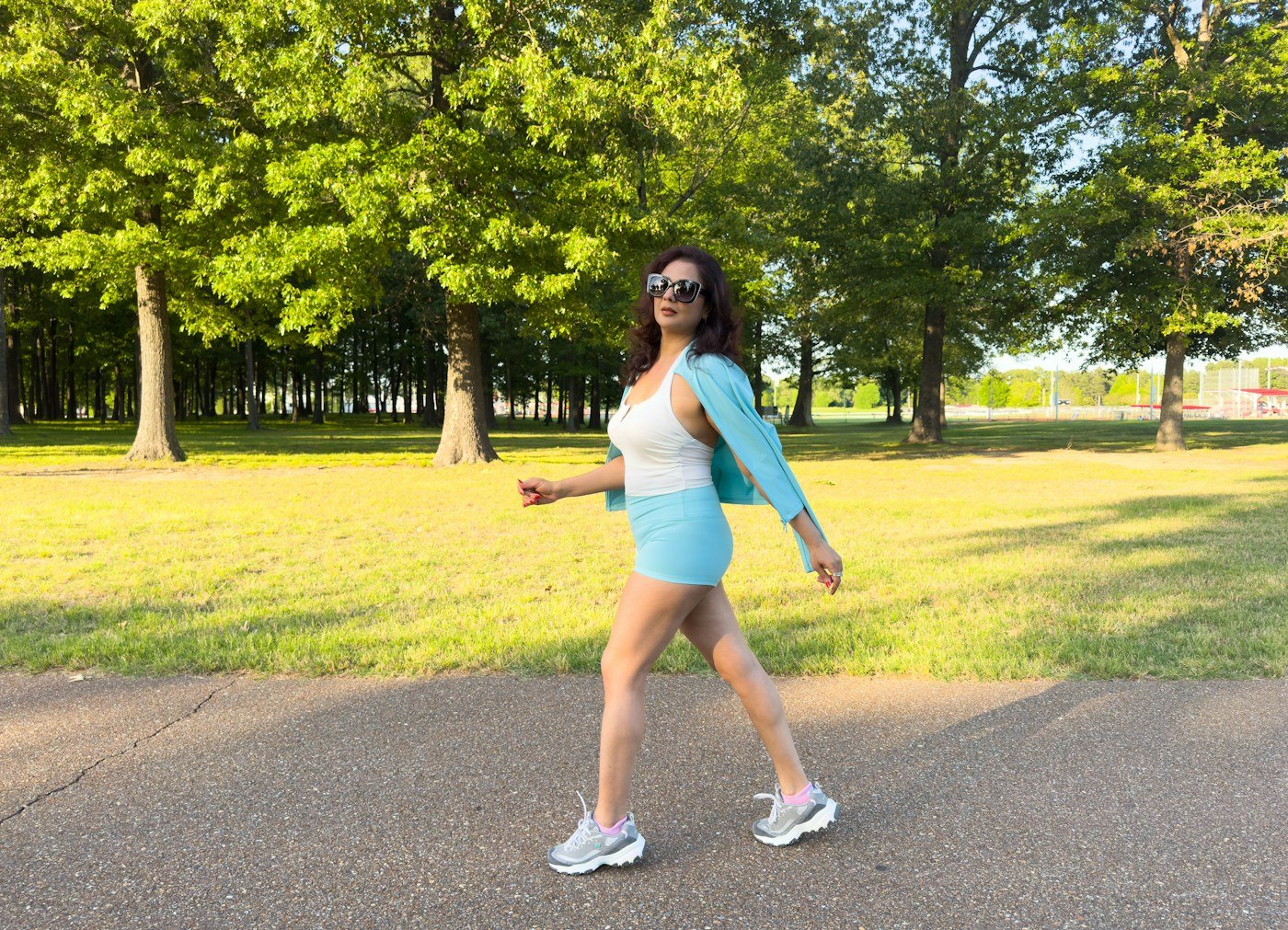
Return to activity from your current starting point rather than trying to prove you can still do your old routine. Choose familiar movement, begin with a manageable amount, and increase gradually. After illness, injury, surgery, or a significant health change, get guidance that fits the reason you stopped. A general restart article cannot replace a return-to-activity plan.
A little clarity, made practical
Your restart planning note
Organize a practical plan and questions. This tool does not assess symptoms, clear you for exercise, or prescribe a program.
Tap each step to explore. This is a planning tool; it does not assess your health or tell you whether care is urgent. Read the care guidance in the article.
Step 1 / 4
Name the break
Write why activity stopped and whether there are unresolved symptoms or activity instructions.
View a plain-text copy of your note
Your restart planning note
A planning note, not a diagnosis or a completed medical assessment.


Guidance: https://www.cdc.gov/physical-activity-basics/adding-adults/index.html
Health facts: Read the source guidance ↗. The step sequence and note prompts are Millywell’s editorial planning suggestions.
Find out what kind of break you are returning from
A break because work became hectic is different from a break after surgery. Before choosing a video or renewing a membership, write down why activity stopped and what has changed since then. Include unresolved symptoms, an injury that never quite settled, medicines, or restrictions you were given. Those details belong in a care conversation when relevant.
For a straightforward schedule-related break, you may mainly need a smaller starting point and easier logistics. If you are returning after illness or treatment, ask who can clarify the appropriate activity and progression. Do not assume an old clearance covers a new situation. The aim is a plan you understand, rather than a dramatic first session that leaves you unsure what to do next.
- Name the reason for the break.
- List changes that affect movement now.
- Find any written activity instructions you already received.
Choose the version that fits a normal weekday
Imagine the day you are most likely to cancel: the train is late, dinner still needs attention, and you have twenty messages to answer. Which activity would you still consider doing? That answer is a better first draft than the ideal routine you could manage on vacation.
Millywell’s planning suggestion is to choose one familiar activity and two possible calendar windows. One could be a short neighborhood walk after work; another might be a learned home session before your evening shower. These are examples, not a minimum duration or a prescription. Make the first decision easy enough that you can actually discover how the routine fits. Keep a smaller version available for busy days, without treating it as a failure.
- Choose something you already understand.
- Put the intended place and time in your calendar.
- Decide what the smaller version would look like.
Sources: CDC · Overcoming activity barriers ↗
Let the guidelines give direction without becoming a first-week test
CDC’s general adult guidance includes at least 150 minutes of moderate aerobic activity weekly, or an equivalent vigorous combination, plus strengthening on two or more days. Some activity is better than none, and it can be divided into smaller pieces. These population recommendations are a direction to build toward, not a demand to complete everything immediately.
Keep your restart goal focused on showing up and learning what feels manageable. If you work with an instructor, say how long the break lasted and ask for an appropriate starting option. It is more useful to leave with a clear next session than to leave exhausted because you tried to recreate your busiest training month. There is no prize for making the first week the hardest one.
Change one part of the plan before changing everything
You can make activity more demanding through frequency, duration, resistance, pace, or complexity. A restart can become confusing when you increase several of those together. MedlinePlus advises avoiding simultaneous increases in how often, how long, and how hard you exercise.
An editorial example: if a familiar walk has become comfortable within your current plan, consider discussing or trying a modest change to that walk rather than also adding hills, a weighted vest, and a fast class. The useful change depends on your circumstances; a universal percentage cannot account for every injury, disability, or training history. If you have a rehabilitation plan, follow its progression and ask before substituting a different internet rule. Keep enough detail to remember what you actually changed.
- Record the current version in ordinary words.
- Change one manageable feature at a time.
- Review how the next day and normal tasks feel.
Make room for learning and recovery
Allow the beginning and end of the session to feel less rushed than the middle. Rehearse the activity at an easier pace and use the instructions you have learned for the equipment. AAOS emphasizes gradual starts, appropriate equipment, and rest when fatigue or significant soreness makes activity a poor fit.
You may need a refresher rather than a new program. Ask an instructor to check the movements you remember, especially if you have been copying modifications from several places. Bring one concrete question: 'Can you watch this movement and show me a suitable starting version?'
At home, prepare the space before the session begins. Put the equipment where you can use it correctly, clear the walking route, and keep the plan visible. Those small arrangements reduce deciding when your attention is already stretched.
Sources: AAOS · Safe exercise ↗
Know when the restart needs a healthcare conversation
Persistent pain, worsening symptoms, or unusual difficulty with everyday activity deserve assessment. Stop an exercise that causes pain rather than testing it repeatedly to see whether determination fixes it. Chest pain during or after activity, a serious injury, or a joint that looks out of position needs urgent medical help.
For a nonurgent appointment, describe the activity and the change: 'I used to walk this route comfortably. Since the illness I become unusually breathless halfway through.' A useful account is more helpful than saying you are out of shape. Ask whether you need evaluation, modified activity, or a specific return plan. This article cannot decide that question from the length of your break or your previous fitness level.
Review the experiment without grading your character
After a few attempts, review the barriers you can change. Did you dislike the activity, underestimate the setup, choose an unrealistic time, or need help with technique? Keep the answer practical. Changing the plan is part of the work, not evidence that you lack discipline.
You might move the session earlier, leave a suitable pair of shoes by the door, ask a friend to join, or replace a crowded class with a quieter option. If a day disappears, return to your next planned opportunity rather than doubling the following session as repayment.
Your first useful result may be discovering that two short, predictable windows work better than the routine you remembered. Build from the life you have now. A restart earns its place by being repeatable, not by looking impressive in a calendar.
Sources: CDC · Overcoming activity barriers ↗
Useful extras · Optional shopping
Buy for a purpose.
Keep the rest simple.
As an Amazon Associate I earn from qualifying purchases. The links below are paid links to category search results. Individual listings, sellers and certifications have not been vetted by Millywell; these are things to compare, not tested product picks.
A plain weekly planning pad
An optional place to put a realistic activity window beside work and home commitments.
Before buying: Choose enough writing space and a layout you already understand; no fitness scoring or subscription is needed.
Skip the purchase: Use a calendar, notebook, or phone reminder you already own.
Browse Amazon options ↗ (paid link)A listing appearing in search results does not establish that it is suitable for you, authentic, certified or medically necessary. Check the actual label, seller, pack size, return terms and current price. Supplements need a separate suitability and interaction check with a qualified professional.
A little more clarity
Your questions, answered.
Do I have to start at zero?
Not necessarily. Your previous experience can help with skills and preferences, but current health and capacity still matter. Use a manageable starting version instead of assuming your old pace, weight, or schedule remains the right fit.
Should I buy new equipment first?
Only if something necessary is missing, unsuitable, or worn out. Check what you own and the actual activity requirements. A purchase is not required to begin planning or to take a suitable walk.
What if I stopped because I was injured?
Ask the professional managing the injury for a return plan, including activities, limits, and follow-up. General fitness advice cannot tell you whether the injured area is ready for your old routine.
Is a short session worth doing?
Yes, smaller amounts can contribute to activity. Choose the amount that fits your starting point and build gradually. Short does not have to mean rushed or unusually intense.
Choose one familiar activity, one realistic calendar window, and one question about your current starting point.
Prepare your appointment questions →Sources & context.
- CDC · Adding physical activity as an adult ↗
- CDC · Overcoming activity barriers ↗
- CDC · Adult physical activity guidance ↗
- MedlinePlus · Avoiding exercise injuries ↗
- AAOS · Safe exercise ↗
Sources checked . Health information summarizes the linked guidance; conversation prompts and planning ideas are Millywell’s editorial suggestions. Most sources describe U.S. care; screening and access may differ where you live.
AI assisted the drafting. This guide has not been reviewed by a licensed clinician. It provides general education, not a diagnosis or individualized care. Ask a qualified professional about your circumstances.