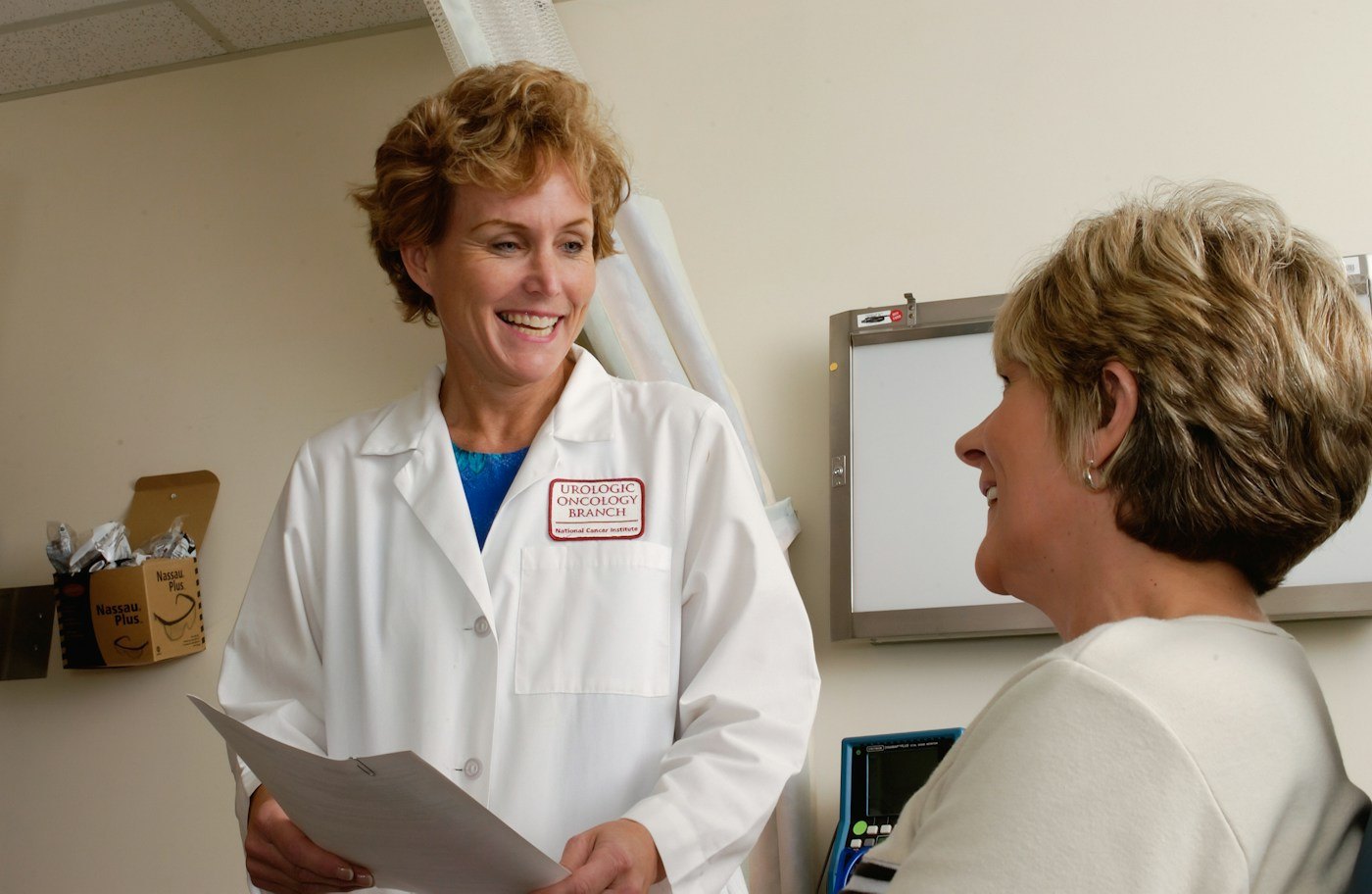
Bloating and pelvic discomfort often have causes other than cancer. New symptoms that persist, recur, or are unusual for you deserve assessment. A normal Pap test does not rule out an ovarian problem.
A little clarity, made practical
Bring the questions that matter to you
Choose the questions you want to take to your care team. These prompts organize a conversation; they cannot interpret symptoms or choose treatment.
Tap each step to explore. This is a planning tool; it does not assess your health or tell you whether care is urgent. Read the care guidance in the article.
Step 1 / 3
Name the concern
Write down what you want understood, in your own words. You do not need to know the medical term.
View a plain-text copy of your note
Bring the questions that matter to you
A planning note, not a diagnosis or a completed medical assessment.


Guidance: https://www.cancer.gov/types/ovarian/patient/ovarian-epithelial-treatment-pdq
Health facts: Read the source guidance ↗. The step sequence and note prompts are Millywell’s editorial planning suggestions.
Look at a change from your usual pattern
Possible ovarian cancer symptoms include pelvic or abdominal discomfort, bloating, feeling full quickly, and urinary changes. These symptoms are not specific to cancer. The useful step is to explain the change and how it affects you, rather than deciding the cause yourself.
- Is this new, frequent, persistent, or worsening?
- Is eating, dressing, sleeping, or using the bathroom different?
- What have I already tried, and what has changed since then?
Sources (checked October 27, 2026): NCI · Ovarian cancer patient information ↗
There is no routine screening test for average-risk people without symptoms
The USPSTF recommends against ovarian cancer screening in asymptomatic people without a known high-risk hereditary syndrome. CA-125 blood tests and vaginal ultrasound can cause false alarms and unnecessary procedures when used for routine screening. They may still be useful for particular diagnostic questions.
Sources (checked October 27, 2026): USPSTF · Ovarian cancer screening ↗
Pap tests check the cervix
Being up to date with cervical screening is valuable, but it is not an ovarian cancer check. If symptoms continue, explain that you are seeking an assessment of the symptoms, even if recent routine testing was normal.
Sources (checked October 27, 2026): USPSTF · Cervical cancer screening ↗
Family history may change the conversation
Tell your clinician about cancers on both sides of your family, including the cancer type and age at diagnosis when known. Some inherited gene changes increase ovarian and breast cancer risk. A genetics professional can help interpret whether testing is appropriate; a home checklist cannot.
Sources (checked October 27, 2026): NCI · BRCA gene changes and genetic testing ↗
If the concern remains unexplained
Ask what the current assessment has ruled in or out and when to return. You can say, “This is still different for me. What is our next step if it does not improve?” If diagnosed, ask for specialist guidance and a care coordinator. You deserve help with the practical and emotional parts, too.
Sources (checked October 27, 2026): NCI · Questions about a cancer diagnosis ↗ · NCI · Coping with cancer ↗
A little more clarity
Your questions, answered.
Should I request CA-125 every year for reassurance?
It is not recommended as routine screening for average-risk people without symptoms. Ask which evaluation fits your situation.
Does bloating mean ovarian cancer?
No. Bloating has many causes. A persistent or concerning change deserves assessment rather than a conclusion from a symptom list.
Describe the symptom pattern to a clinician and agree on follow-up if it continues.
Prepare your appointment questions →Sources & context.
- NCI · Ovarian cancer patient information ↗
- USPSTF · Ovarian cancer screening ↗
- USPSTF · Cervical cancer screening ↗
- NCI · BRCA gene changes and genetic testing ↗
- NCI · Questions about a cancer diagnosis ↗
- NCI · Coping with cancer ↗
Sources checked . Health information summarizes the linked guidance; conversation prompts and planning ideas are Millywell’s editorial suggestions. Most sources describe U.S. care; screening and access may differ where you live.
AI assisted the drafting. This guide has not been reviewed by a licensed clinician. It provides general education, not a diagnosis or individualized care. Ask a qualified professional about your circumstances.